Ever had a gauge fail when you needed it most? Or maybe you’ve struggled with reading tiny dials in low light or rough conditions.
If these scenarios sound familiar, it might be time to upgrade your equipment with digital gauges. These advanced tools are designed to provide more accurate and real-time data, making your work easier and more efficient.
Let’s explore how digital gauges can enhance your operations and why they’re becoming the standard for professionals in various industries.

The Importance of Accurate Monitoring in Industrial and Marine Settings
In industrial and marine environments, accurate monitoring is crucial. When you’re dealing with high-stakes operations, like managing machinery, steering a boat, or overseeing a production line, small errors in measurement can lead to big consequences.
Reducing Risks and Improving Safety
One of the main reasons accurate monitoring is so important is safety. In marine settings, for example, precise readings of fuel levels, engine temperature, and pressure are essential to keep vessels operating safely. An inaccurate reading can lead to engine failure, which could have serious consequences if you’re out at sea. Digital gauges provide clear, accurate information, reducing the risks associated with faulty or unclear data.
Enhancing Performance
Accurate data isn’t just about safety—it also improves performance. When you have reliable information about your equipment, you can optimise its performance. For instance, monitoring fuel consumption with digital gauges allows you to adjust settings for better efficiency. Similarly, knowing the exact pressure levels or temperatures can help fine-tune machinery, leading to smoother operations and less wear and tear over time.
Avoiding Costly Repairs
When gauges provide incorrect readings, it can lead to bigger problems down the line. A slight error in pressure or temperature monitoring can cause equipment to operate outside of safe limits, resulting in damage and costly repairs. Digital gauges, with their higher accuracy and reliability, help detect issues early, allowing you to take preventive action before a small problem turns into a major repair.
How Digital Gauges Work and Their Advantages Over Traditional Gauges?
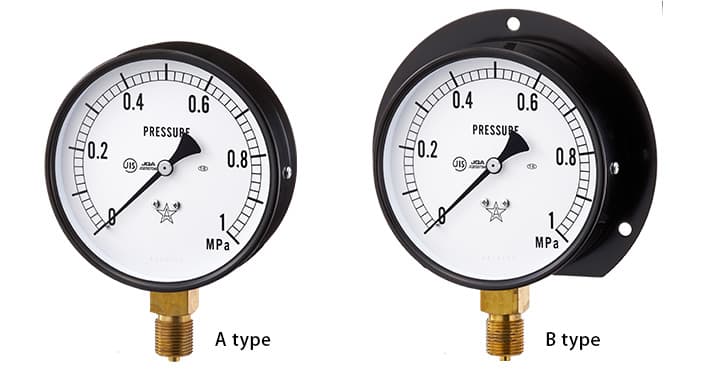
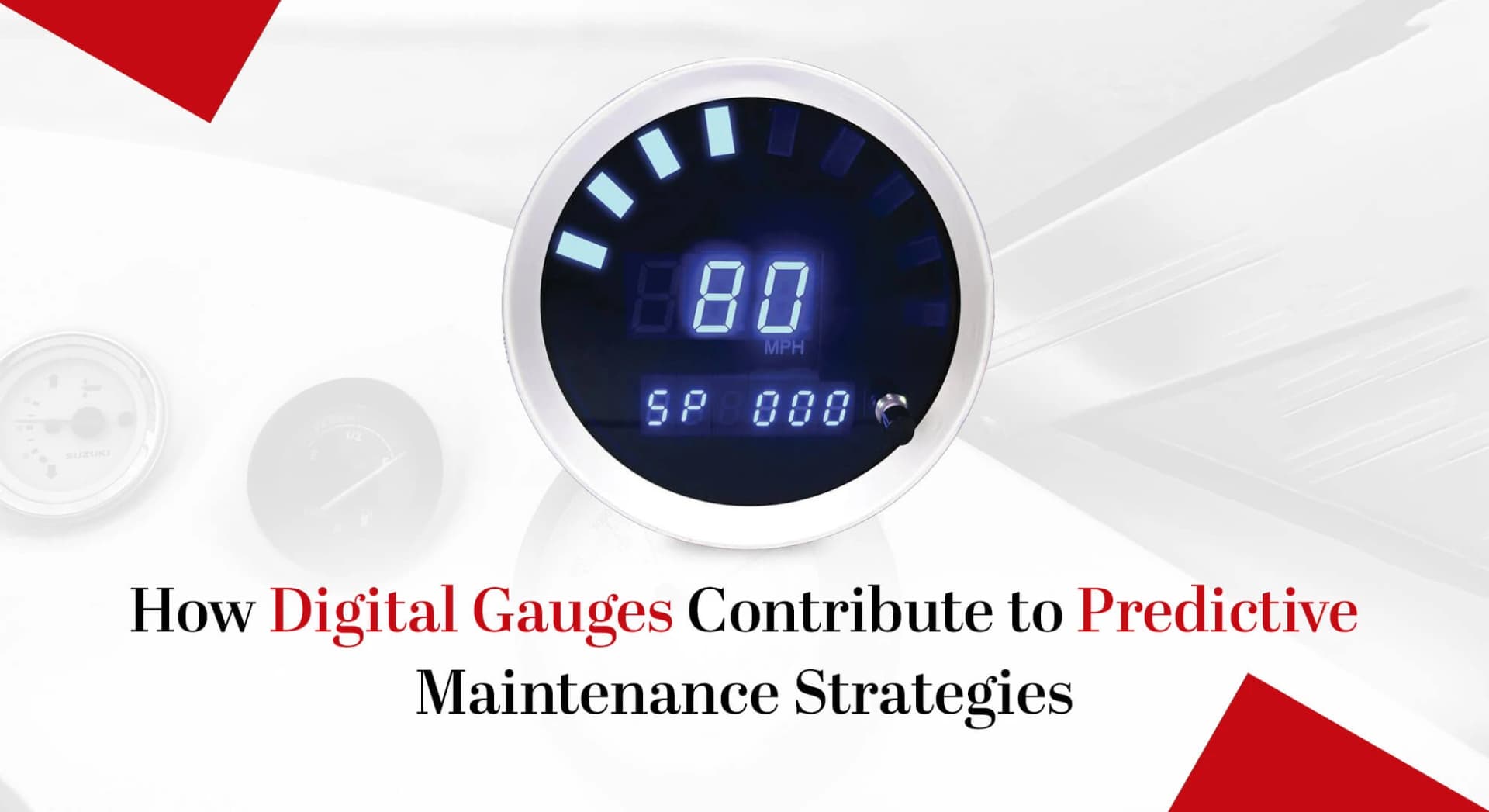
Digital gauges use advanced sensors to provide precise measurements, which are displayed digitally on a screen. Unlike traditional mechanical gauges, which rely on needles and dials, digital gauges show exact numbers, making them easier to read and interpret.
Real-Time Data Collection
One of the biggest advantages of digital gauges is their ability to provide real-time data. Traditional gauges often lag or give approximate readings, while digital versions give instant feedback. This real-time data is crucial for industries that need to make quick decisions based on accurate information.
Enhanced Visibility
Reading a traditional gauge can be challenging, especially in poor lighting or in rough conditions like those at sea. Digital gauges, however, offer bright, easy-to-read displays that show clear numbers. This means no more guessing or trying to interpret where a needle is pointing—just a simple, precise number that tells you exactly what’s happening.
Advanced Features
Many digital gauges come with additional features that traditional models don’t offer. For instance, some digital gauges include alarms that alert you when readings go beyond safe parameters. Others have data logging capabilities, which allow you to track performance over time. These features not only provide better monitoring but also help you make informed decisions based on trends and historical data.
Key Benefits of Upgrading to Digital Gauges for Accuracy
Upgrading to digital gauges offers several benefits that can significantly enhance your operations. Here’s how these modern tools can make a difference:
Precision and Accuracy
Digital gauges are designed to provide exact readings down to the decimal point, which is vital in environments where every detail counts. Whether it’s monitoring pressure, temperature, or fuel levels, these gauges deliver precise information that traditional gauges can’t match.
User-Friendly Interface
The easy-to-read digital displays are a major advantage. Unlike traditional gauges, which often require interpretation, digital gauges provide straightforward numerical data that you can see at a glance. This is especially helpful in high-pressure situations where quick, accurate readings are needed.
Customisable Alarms
Digital gauges often come with built-in alarms that alert you when a reading falls outside of safe parameters. For example, if the oil pressure in your engine drops too low, the gauge will sound an alarm, giving you time to take corrective action before any damage occurs.
Data Logging for Better Analysis
Some digital gauges come with data logging capabilities, which allow you to record and analyse data over time. This is particularly useful for identifying trends, understanding equipment performance, and adjusting optimise operations. With data logging, you have a record that helps you make more informed decisions, improving the overall efficiency of your equipment.
Durability and Longevity
Digital gauges are built to withstand harsh environments. Many are water-resistant and designed to handle extreme temperatures, making them suitable for both marine and industrial applications. This durability ensures that you get long-term performance from your gauges, reducing the need for frequent replacements.
Tips for Choosing the Right Digital Gauges for Your Equipment
When upgrading to digital gauges, it’s essential to choose the ones that best fit your specific needs. There are various options available, each with its own set of features, so it’s important to know what to look for. Here are some key tips to help you select the right digital gauges for your equipment:
Identify Your Monitoring Requirements
The first step is to identify the specific measurements you need to monitor. Are you tracking pressure, temperature, fuel levels, or all three? Different digital gauges are designed to specialise in certain types of measurements. Knowing your exact needs will help you choose the gauge that provides the most relevant and accurate information.
Check Compatibility with Your Equipment
Before purchasing a digital gauge, make sure it’s compatible with your current systems. This includes checking the gauge’s voltage requirements, mounting size, and connection types to ensure a smooth integration with your equipment. If you’re working with marine gauges, confirm that the digital model you choose can handle the conditions of a marine environment.
Consider Features That Add Value
Look for additional features that could enhance your monitoring experience. Some digital gauges offer backlit displays for improved visibility in low-light conditions, while others have built-in alarms that alert you when a reading is out of range. If you’re managing a complex system, consider gauges with data logging capabilities that help track performance over time, providing valuable insights for optimisation.
Opt for Quality and Reliability
Investing in quality is key when it comes to digital gauges. High-quality gauges from reputable manufacturers tend to be more accurate and reliable, offering longer-lasting performance. Cheaper models may save money initially, but they often compromise on accuracy and durability, leading to more frequent replacements.
Ease of Installation and Calibration
Choose gauges that come with clear installation instructions and are easy to calibrate. Some digital gauges are plug-and-play, making them straightforward to set up, while others may require professional installation to ensure proper functioning. Calibration is essential for accurate readings, so opt for models that offer simple calibration options or seek professional help if needed.
Maintaining Your Digital Gauges for Long-Term Reliability
Once you’ve chosen and installed your digital gauges, proper maintenance is essential to ensure they continue performing accurately. Here are some best practices for maintaining your gauges:
Set a Regular Calibration Schedule
Regular calibration is crucial to maintain the accuracy of your digital gauges. Depending on the environment and frequency of use, recalibrate your gauges at least once a year. In high-stress environments, such as marine or industrial settings, more frequent calibration might be necessary to keep readings precise.
Protect Gauges from Environmental Factors
Digital gauges, especially those used in marine and industrial environments, are often exposed to harsh conditions like moisture, dust, and temperature extremes. Make sure to use protective covers when possible and ensure that your gauges are designed to withstand these conditions. Water-resistant and vibration-resistant models are ideal for environments where exposure is a concern.
Inspect for Wear and Tear Regularly
Perform routine inspections of your digital gauges to check for any signs of damage or wear, such as faded displays, loose connections, or damaged wires. Addressing small issues promptly can prevent them from affecting the accuracy and functionality of your gauges in the long run.
Keep Gauges Clean
Dirt, dust, and debris can affect the performance of digital gauges, especially those with sensor openings. Regularly clean the surfaces with a soft, lint-free cloth and avoid using harsh chemicals that could damage the display or sensors. Maintaining cleanliness helps ensure that the gauges remain easy to read and function correctly.
Update Software or Firmware When Available
If your digital gauges come with software or firmware, make sure to keep them updated. Manufacturers often release updates to improve functionality, accuracy, or add new features. Staying up to date ensures your gauges perform optimally and can handle the latest demands of your equipment.
Advantages of Upgrading to Digital Gauges: The Long-Term Payoff
Upgrading your equipment with digital gauges isn’t just a short-term improvement; it offers long-term benefits that can significantly enhance the way you manage your operations. Here are some advantages that make digital gauges a smart investment:
Greater Efficiency
Accurate, real-time data allows for better decision-making, helping you manage equipment performance efficiently. Whether you’re adjusting fuel usage, monitoring pressure levels, or managing engine temperatures, digital gauges provide the precise information needed to make the right adjustments quickly.
Reduced Downtime
With digital gauges, issues are detected earlier thanks to their precise monitoring and alarm features. This means you can take action before a small issue becomes a bigger problem, reducing downtime and ensuring smoother operations.
Cost Savings Over Time
While digital gauges may have a higher upfront cost compared to traditional models, they offer cost savings over time. Their accuracy helps avoid costly mistakes, and their durability reduces the need for frequent replacements. Additionally, features like data logging can help identify patterns that lead to better fuel efficiency and lower operating costs.
Enhanced Safety
Safety is a priority in industrial and marine environments. Digital gauges, with their reliable readings and built-in alarms, provide an extra layer of safety by alerting you when conditions go beyond safe limits. This allows for quick action, minimising the risk of accidents or equipment damage.
Choosing Digital Gauges: A Practical Approach
When choosing digital gauges for your equipment, keep these practical tips in mind:
- Research Your Options: Look for brands that are known for quality and reliability. Read reviews or ask for recommendations from industry professionals to ensure you’re investing in trusted products.
- Evaluate Your Needs: Determine what you need to monitor and prioritise gauges that offer features most relevant to your operations. For marine applications, prioritise water resistance and rugged designs; for industrial settings, look for models with advanced connectivity.
- Budget Wisely: Invest in high-quality gauges that offer the features you need. While the upfront cost may be higher, the long-term savings and efficiency gains often make it a worthwhile investment.
Our Verdict
Upgrading your equipment with digital gauges is a practical and effective way to improve accuracy, enhance safety, and boost efficiency. By choosing the right models and maintaining them properly, you can rely on precise data that supports better decision-making and optimises your operations over the long term.
Digital gauges are more than just a tool; they are an asset that keeps your systems running smoothly, helps you stay ahead of potential issues, and saves you time and money in the long run.
So, if you’re ready to make a change and improve your equipment’s performance, consider upgrading to digital gauges. It’s a smart step toward a more efficient and accurate way of managing your operations.