Navigating the complexities of marine operations demands tools that deliver precision, reliability, and efficiency. Electronic Gauges have emerged as game-changers in this realm, providing accurate, real-time data that empowers operators to make informed decisions.
For marine professionals in New Zealand, where unpredictable waters meet diverse operational challenges, these gauges offer the perfect blend of innovation and practicality.
Imagine being out at sea, managing multiple systems on your vessel, from fuel monitoring to engine performance. Amid it all, you rely on gauges that must be accurate and responsive. A single misreading can throw off your entire operation, costing time, fuel, and even safety. This is where Electronic Gauges shine, delivering precise data instantly and seamlessly integrating with modern marine systems.
For marine experts, these gauges are more than tools—they are indispensable allies that simplify complex operations. Let’s dive into the unique features and benefits that make electronic gauges essential for professionals navigating New Zealand’s waters.
Why Precision Matters at Sea?
Real-Time Monitoring
Electronic gauges provide instant, accurate readings across various systems, such as fuel levels, oil pressure, and engine temperature. Unlike mechanical gauges, which may lag or deliver inconsistent data, electronic versions are built for speed and reliability.
- Why It Matters: Real-time data ensures that operators can respond immediately to any irregularities, preventing potential issues from escalating.
Reduced Margin of Error
The advanced sensors in electronic gauges eliminate the mechanical inconsistencies seen in traditional gauges. This results in highly accurate readings that marine professionals can trust.
- Example: Precise fuel monitoring allows operators to optimise consumption, reducing unnecessary stops and saving costs.
Enhanced Decision-Making
With clear and reliable data at your fingertips, decision-making becomes faster and more effective. Whether it’s optimising routes or identifying maintenance needs, electronic gauges provide the insights necessary for smarter choices.
Boosting Efficiency with Electronic Gauges
Streamlined Operations
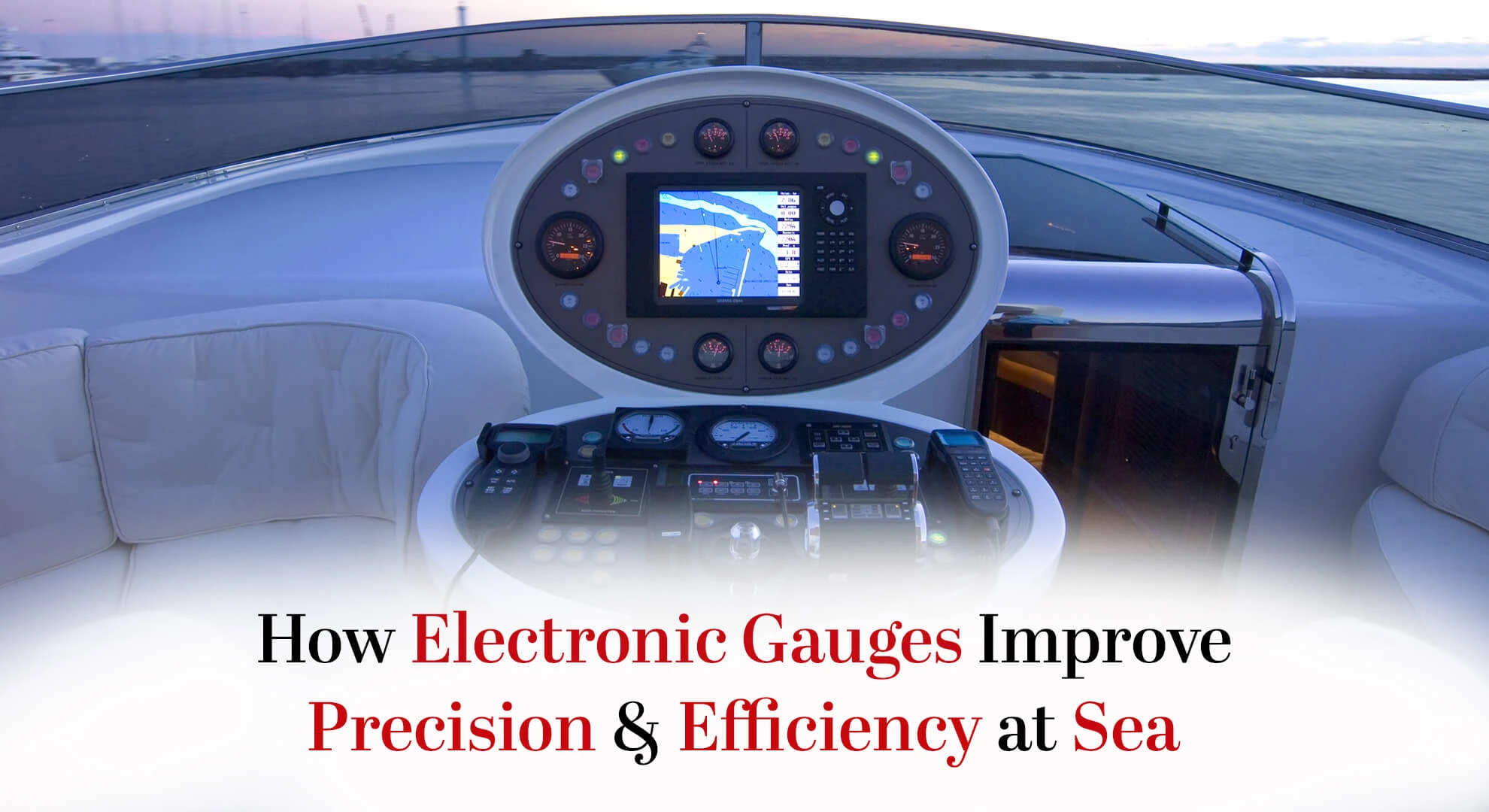
Electronic gauges consolidate data from multiple systems, providing a unified display that simplifies monitoring. This eliminates the need to check multiple gauges, saving time and effort.
- Why It Matters: A streamlined dashboard reduces cognitive load, allowing operators to focus on strategic tasks rather than juggling multiple data points.
Integration with Modern Systems
These gauges are designed to work seamlessly with digital marine systems, enabling comprehensive monitoring and control. Whether it’s integrating with navigation tools or connecting to onboard computers, electronic gauges enhance overall system efficiency.
- Why It Matters: Seamless integration minimises the risk of data silos and improves operational transparency.
Optimised Resource Usage
Accurate data from electronic gauges helps operators manage resources like fuel and energy more effectively. This not only reduces costs but also minimises environmental impact.
- Example: By monitoring fuel efficiency in real time, operators can adjust speed or routes to conserve fuel.
Key Features of Electronic Gauges
High-Visibility Displays: Electronic gauges often feature LED or digital screens that are easy to read in various lighting conditions. These displays eliminate the guesswork, providing clear, immediate insights.
Customisable Alerts: Many electronic gauges come with built-in alert systems that notify operators of abnormal readings. These alerts are customisable, ensuring operators can set parameters that suit their specific needs.
Durability for Marine Conditions: Despite their advanced technology, electronic gauges are built tough. They can withstand saltwater exposure, temperature fluctuations, and constant vibrations, making them ideal for marine environments.
Enhancing Safety with Electronic Gauges
Safety is paramount in marine operations, and Electronic Gauges play a critical role in ensuring it. By providing accurate and reliable data, these gauges help operators maintain optimal system performance and avoid potential hazards.
Proactive Issue Detection
Electronic gauges continuously monitor system parameters and alert operators to irregularities, such as low oil pressure or high engine temperatures. These early warnings allow for immediate corrective action.
- Why It Matters: Addressing minor issues before they escalate prevents costly breakdowns and ensures crew and vessel safety.
Consistent Reliability in Harsh Conditions
Marine environments are challenging, with constant exposure to saltwater, temperature extremes, and vibrations. Electronic gauges are designed to withstand these conditions, ensuring they perform consistently even in the harshest settings.
- Why It Matters: Reliable equipment minimises risks and instils confidence in operators.
Clear Alerts for Quick Response
Customisable alerts in electronic gauges provide visual or audible warnings, ensuring that critical information is impossible to miss.
- Why It Matters: Faster response times lead to better safety outcomes.
Practical Applications of Electronic Gauges
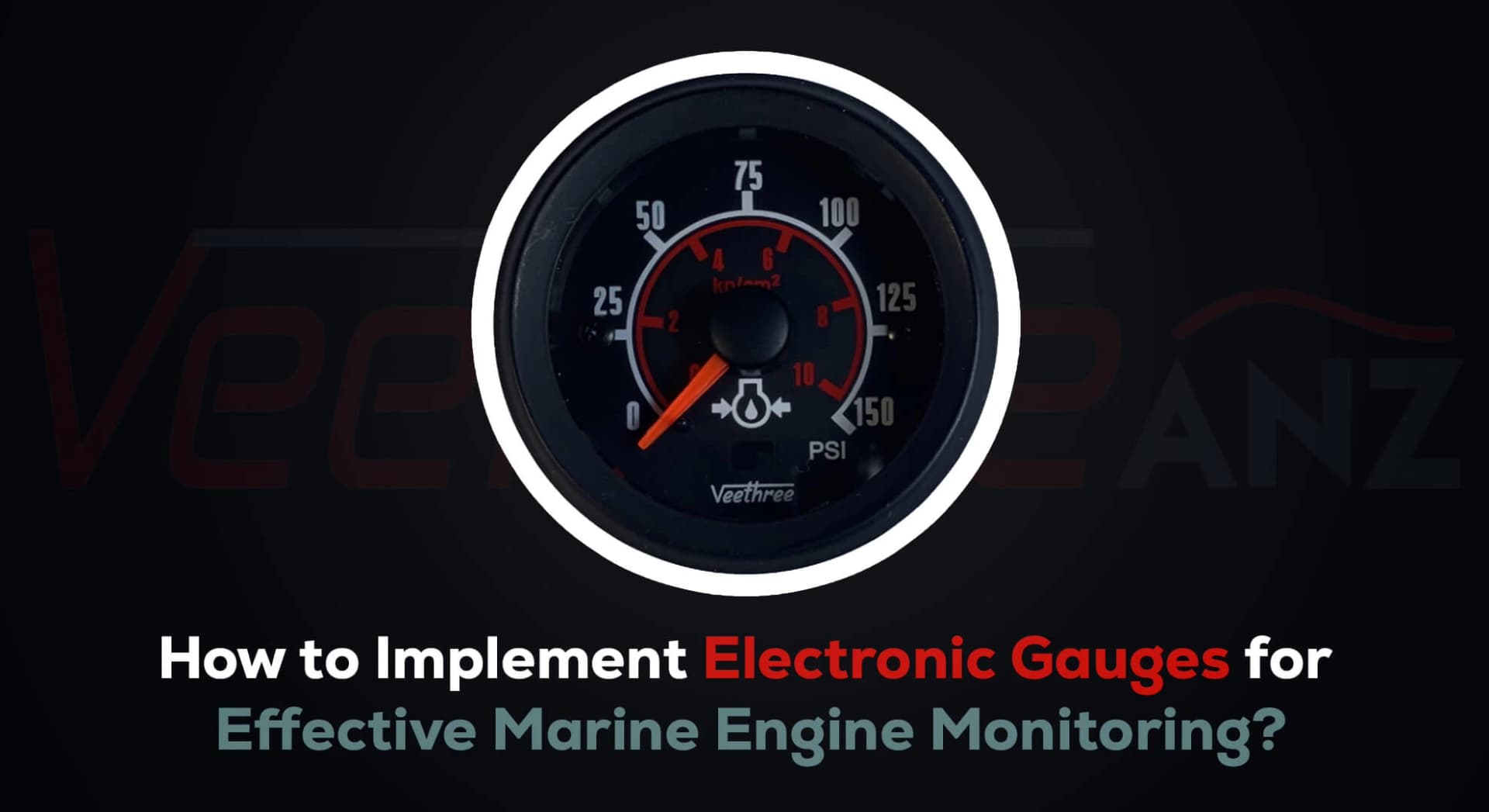
Engine Monitoring: Electronic gauges track vital metrics like RPMs, temperature, and oil pressure, ensuring that engines operate within safe parameters.
Electrical System Oversight: Modern vessels rely heavily on electrical systems. Electronic gauges monitor voltage and current flow, preventing overloading and ensuring consistent power supply.
Fuel Management: Precise fuel level readings help operators optimise consumption, reducing costs and environmental impact. With real-time data, you can make informed decisions about refuelling schedules and route planning.
Maintenance Tips for Long-Lasting Performance
To get the most out of your Electronic Gauges, regular maintenance is essential. Here are some tips to keep them performing at their best:
- Inspect Regularly: Check for physical damage, loose connections, or signs of corrosion. Early detection of issues can prevent more significant problems down the line.
- Clean with Care: Use a soft cloth and a mild cleaning solution to remove dirt and salt deposits. Avoid abrasive cleaners that could damage screens or casings.
- Calibrate Periodically: Even the most advanced gauges may require recalibration over time. Follow the manufacturer’s guidelines to maintain accuracy.
- Protect Against Moisture: Ensure that all connections are sealed and protected from moisture, which can affect performance.
Why Electronic Gauges Are a Must-Have for Marine Professionals?
For marine professionals in New Zealand, where diverse waters demand adaptability and precision, electronic gauges provide unmatched benefits. They simplify complex operations, enhance safety, and optimise performance, making them indispensable tools for any vessel.
Whether you’re managing a commercial fleet or operating a private yacht, electronic gauges offer the reliability and innovation needed to navigate with confidence.
By investing in these advanced tools, you’re not just improving your vessel’s monitoring capabilities—you’re also ensuring smoother, safer, and more efficient operations.
Our Verdict
Precision and efficiency are at the heart of successful marine operations, and Electronic Gauges deliver on both fronts. Their ability to provide real-time data, integrate seamlessly with modern systems, and withstand harsh conditions makes them a trusted choice for professionals.
With features like customisable alerts, data logging, and durable construction, electronic gauges ensure that you’re always in control, no matter the conditions. By equipping your vessel with these cutting-edge tools, you’re setting the standard for excellence at sea.
Invest in electronic gauges today and experience the difference they bring to your operations. For those navigating New Zealand’s unpredictable waters, they’re more than an upgrade—they’re a necessity.