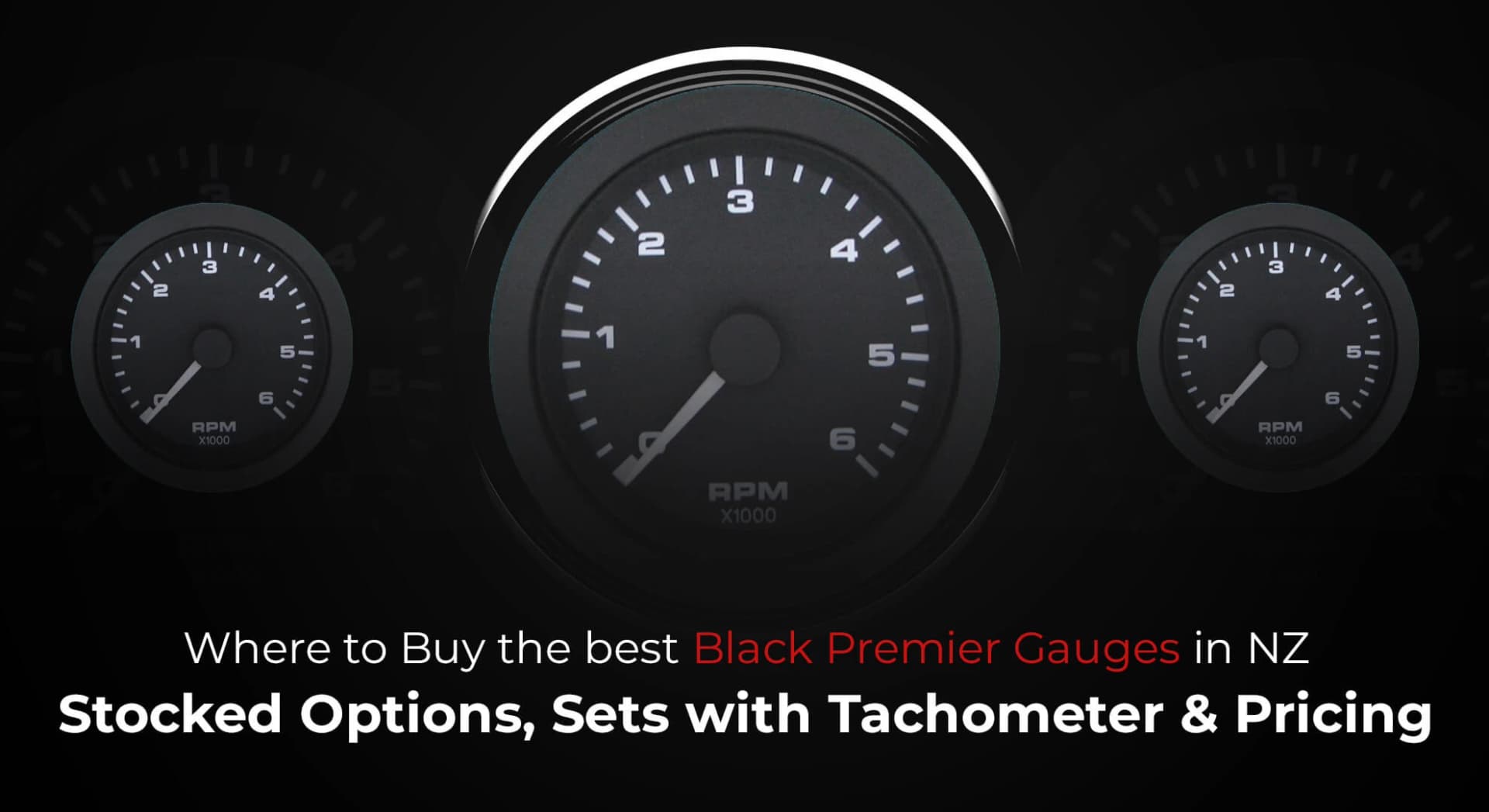

If you're navigating the unpredictable and often demanding marine conditions around New Zealand, reliability is your best friend. Imagine being at sea, rough weather approaching, and your vessel gauges suddenly begin to display erratic readings. It’s a scenario no marine expert wants to face.
This is precisely why Arctic Gauges are gaining attention among experienced maritime professionals.
So, what's so special about these Arctic Gauges, and how exactly do they consistently perform under severe marine conditions?
This article explores these questions, taking a closer look at why Arctic Gauges are becoming an essential choice for those who need accuracy and dependability in marine environments. We'll dive into their features, performance characteristics, and why they're particularly suited for New Zealand’s varied marine conditions.
What Makes Arctic Gauges Stand Out in Marine Applications?
Built Tough for Extreme Conditions
The primary reason Arctic Gauges consistently deliver reliable readings is their robust design. They're specifically engineered to handle the rigours of the marine environment—salt spray, constant vibrations from engines, and rapid changes in temperature.
Most Arctic Gauges feature corrosion-resistant housings and sealed internals, ensuring protection against moisture ingress. Their durable casing materials prevent rust and deterioration, prolonging gauge life significantly compared to standard instrumentation.
Why It Matters: This durability ensures marine professionals can rely on their gauges for longer periods without constant replacements or repairs.
Exceptional Readability and Clear Visibility
Accuracy isn't helpful unless it's easily readable under all conditions. Arctic Gauges feature carefully designed interfaces that maximise visibility. Their clear, high-contrast dials and anti-fogging glass allow quick and accurate data interpretation, even in challenging lighting conditions or adverse weather.
Why It Matters: When quick decisions are critical, easily readable gauges reduce response time, helping to avoid potential hazards.
Precise Mechanical and Electronic Design
Behind the simplicity and readability is sophisticated engineering. Arctic Gauges incorporate finely tuned mechanical components and reliable electronic sensors that consistently produce precise measurements.
The combination of mechanical reliability and electronic accuracy ensures gauges remain dependable even in scenarios where electronic-only gauges might struggle.
Why It Matters: This design balance ensures accurate readings without interruption, crucial for predictive maintenance and preventing unexpected mechanical failures.
Benefits of Using Arctic Gauges in New Zealand Waters
Improved Safety at Sea
Safety is paramount at sea, especially around New Zealand’s unpredictable coastlines. Arctic Gauges provide accurate information on critical engine parameters like temperature, pressure, and RPM, enabling early detection of potential engine issues or system anomalies.
Why It Matters: Early detection and accurate readings mean operators can prevent equipment failure or dangerous situations before they escalate.
Enhanced Operational Efficiency
Knowing exactly how your vessel’s systems are performing allows for optimised operational efficiency. Arctic Gauges deliver precise and consistent data, allowing operators to fine-tune performance, reduce fuel consumption, and maintain optimal engine loads.
Why It Matters: Better data means better decision-making, ultimately leading to cost savings and improved vessel lifespan.
Minimal Maintenance Required
Regular gauge maintenance can be costly and time-consuming, especially when operating large fleets or remote vessels. Arctic Gauges' rugged build and robust design significantly reduce the maintenance frequency.
Why It Matters: Reduced maintenance translates to lower operational downtime and costs, allowing resources to be used more effectively elsewhere.
Integration with Marine Monitoring Systems
Another important factor in the consistent performance of Arctic Gauges is their compatibility with modern marine monitoring systems. Whether your vessel utilises older mechanical monitoring methods or advanced digital interfaces, Arctic Gauges seamlessly integrate with existing setups.
This compatibility means operators don't have to overhaul their existing monitoring infrastructure completely. Arctic Gauges can fit neatly into legacy systems or provide redundancy in fully digital setups.
Why It Matters: Easy integration reduces upfront costs, minimises downtime during installation, and helps maintain operational continuity.
Implementing Arctic Gauges for Long-Term Reliability
To get the most out of Arctic Gauges, proper installation and care are key. Although they're designed for durability, performance over time also depends on how they’re integrated and maintained.
Select the Right Gauge for the Job
Not all gauges serve the same purpose. Arctic Gauges come in different formats—tachometers, oil pressure, temperature, voltage, and more. Choose gauges based on what you need to monitor most critically on your vessel.
Tip: For engine rooms or enclosed spaces, consider backlit models that improve readability in low-light conditions.
Match Electrical Requirements
If you’re using Arctic Gauges with electronic outputs, make sure they’re compatible with your vessel’s power supply. Incorrect voltage handling can result in damaged circuits or fluctuating readings.
Pro Tip: Always double-check wiring diagrams provided by the manufacturer during installation or retrofitting.
Ensure Correct Mounting and Positioning
Placement matters. Arctic Gauges should be mounted securely on vibration-resistant panels using recommended grommets or brackets. This minimises any long-term impact from engine vibrations or sea motion.
Why It Matters: Improper mounting can cause inaccurate readings over time or reduce the life of internal components.
Maintenance Tips for Consistent Accuracy
While Arctic Gauges are low maintenance, a little care goes a long way.
Regular Inspections
Give your gauges a quick visual inspection before each voyage. Look for signs of condensation, loose wiring, or erratic needle movement.
Why It Matters: Spotting small issues early prevents larger system disruptions.
Cleaning and Care
Use a soft, lint-free cloth to clean the gauge face. Avoid harsh cleaning agents that might degrade anti-fog coatings or seals.
Calibration Checks
Although Arctic Gauges are built for accuracy, checking calibration periodically—especially before long hauls—ensures readings stay true over time.
Why Arctic Gauges Make Sense for New Zealand Marine Professionals?
New Zealand’s marine environment is beautifully diverse, but equally challenging.
You might be facing salt-laden winds off Northland one day and freezing spray in Fiordland the next. Arctic Gauges are built to bridge that contrast—working just as reliably on a commercial fishing boat, a coastguard patrol vessel, or a private cruiser.
Their clear readability, robust build, and adaptability make them a smart investment for marine professionals who need their data to be right the first time, every time.
Our Verdict
In a world where marine operations demand precision, resilience, and reliability, Arctic Gauges stand out. They deliver clear, accurate readings in real-time—no matter the conditions. Built to handle the toughest maritime environments, these gauges help marine professionals in New Zealand and beyond maintain control, improve safety, and keep vessels performing at their best.
Whether you’re outfitting a new vessel or upgrading a legacy system, Arctic Gauges provide the confidence that your instrumentation won’t let you down when it matters most. And at sea, that kind of confidence is worth everything.