Marine monitoring has evolved significantly over the years, with technological advancements reshaping how we navigate and manage vessels.
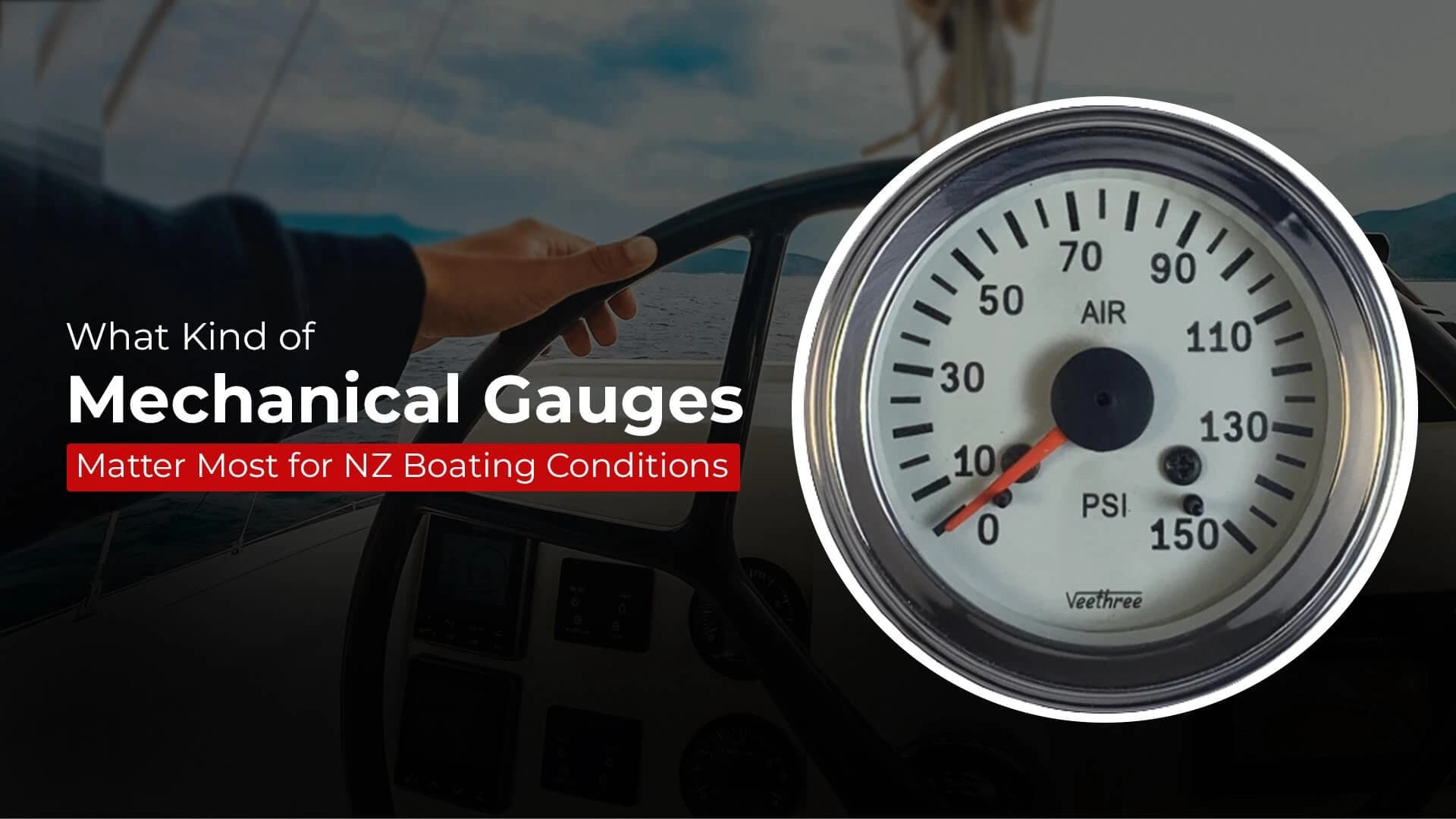
For decades, mechanical gauges have been the backbone of marine operations, offering reliable and durable monitoring solutions.
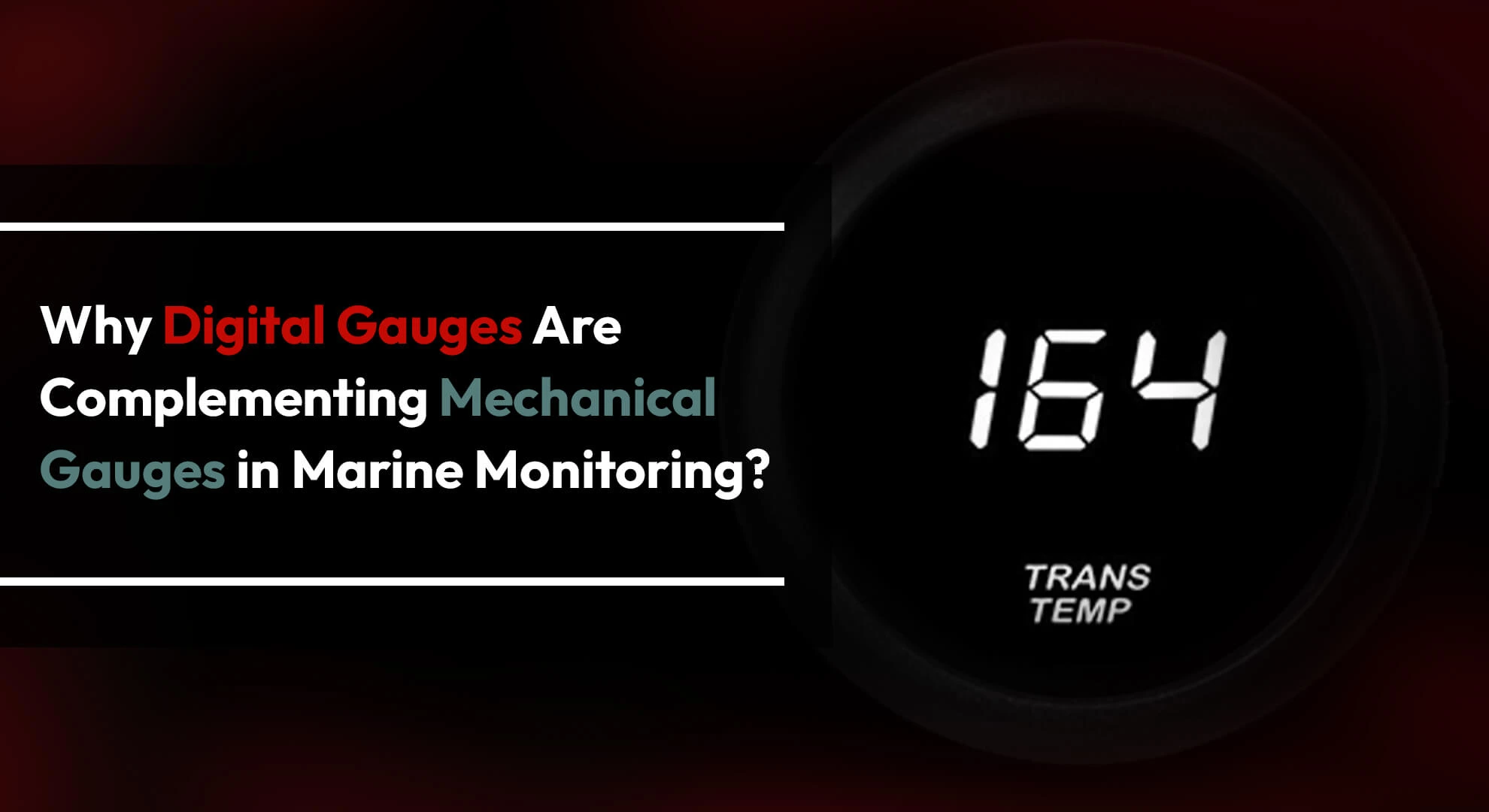
However, as the industry embraces innovation, digital gauges are increasingly finding their place alongside these trusted tools.
Together, they create a powerful combination that enhances accuracy, reliability, and efficiency.
With this article, we will explore how digital gauges complement mechanical gauges in marine monitoring, highlighting the unique strengths of each and why using them together can improve safety and performance.
How Digital Gauges Complement Mechanical Gauges?
Rather than replacing mechanical gauges, digital gauges work alongside them to provide a more robust monitoring system. Here’s how they complement each other:
Redundancy for Increased Reliability
Mechanical gauges act as a reliable backup to digital systems, ensuring you have critical data even if an electrical fault occurs. This redundancy is particularly important for safety-critical parameters like oil pressure and engine temperature.
Example: If a power failure disables digital gauges, mechanical gauges provide continuous monitoring, keeping you informed.
Combining Durability with Precision
Mechanical gauges excel in durability, while digital gauges shine in precision. Together, they offer a balanced approach, ensuring accurate data in all conditions.
Example: Use a mechanical gauge for long-term reliability and a digital gauge for detailed real-time analysis.
Layered Monitoring for Critical Systems
Using both types of gauges allows for layered monitoring, where one system validates the other. This dual approach minimises the risk of errors and ensures you always have accurate information.
Example: A mechanical fuel gauge confirms the digital gauge’s readings, providing peace of mind during long journeys.
Best Practices for Integrating Mechanical and Digital Gauges
The combination of mechanical gauges and digital gauges can create a highly effective monitoring system for your vessel. However, to maximise their benefits, it’s essential to follow best practices for integration and maintenance. Here’s how to get started:
Identify Critical Monitoring Needs
Determine which systems are essential to your vessel’s operations. Focus on key parameters such as fuel levels, oil pressure, engine temperature, and electrical system health. Assign both mechanical and digital gauges to these critical systems for added reliability.
Tip: Use digital gauges for precision monitoring and mechanical gauges as dependable backups.
Ensure Compatibility
When installing digital gauges, make sure they are compatible with your existing mechanical gauges and overall system. Incompatible components can lead to inaccurate readings or system failures.
Tip: Consult with a marine equipment specialist to ensure seamless integration.
Leverage Digital Features
Take advantage of the advanced features offered by digital gauges, such as alarms, customisable alerts, and data logging. Use these tools to track trends and optimise your vessel’s performance over time.
Tip: Set up alerts for critical parameters like low oil pressure or high engine temperature to catch potential issues early.
Perform Regular Maintenance
Both mechanical and digital gauges require maintenance to ensure accuracy and longevity. Inspect connections, clean displays, and calibrate gauges periodically to keep them functioning at their best.
Tip: Schedule maintenance checks as part of your regular vessel upkeep routine.
Train Your Crew
Make sure your crew understands how to read and interpret both mechanical and digital gauges. Clear communication and training ensure that everyone onboard can make informed decisions based on the data provided.
Tip: Provide hands-on training sessions for new crew members to familiarise them with the gauges’ functionality.
The Benefits of Using Both Gauges Together
By combining mechanical and digital gauges, you create a monitoring system that is both reliable and highly functional. Here’s why this dual approach is ideal for modern marine monitoring:
1. Increased RedundancyHaving both mechanical and digital gauges ensures you always have a backup system in place. This redundancy is invaluable in emergency situations, where accurate data can make the difference between resolving an issue and escalating it.
2. Enhanced Accuracy and ReliabilityMechanical gauges provide durability and reliability, while digital gauges offer precision and real-time updates. Together, they give you a complete picture of your vessel’s performance, reducing the chances of errors or oversights.
3. Better Decision-MakingWith layered data from both types of gauges, you can cross-check readings to make more informed decisions. This dual monitoring approach minimises risks and enhances safety.
4. Long-Term Cost SavingsWhile digital gauges may require a higher initial investment, their advanced features and data analysis capabilities can lead to improved efficiency and reduced maintenance costs over time. Meanwhile, mechanical gauges offer low-cost, long-lasting reliability.
5. Adaptability for Future NeedsAs technology continues to evolve, having both mechanical and digital gauges gives you the flexibility to adapt. You can gradually upgrade your monitoring system without losing the reliability of your trusted mechanical gauges.
How This Combination Enhances Safety and Efficiency?
Marine monitoring is all about staying ahead of potential problems and ensuring smooth operations. The combination of mechanical and digital gauges improves safety and efficiency in several ways:
Early Detection of IssuesDigital gauges provide real-time alerts for anomalies, while mechanical gauges act as a fallback to ensure continuous monitoring. This combination helps you catch problems early and respond quickly.
Optimised PerformanceDigital gauges help you fine-tune your systems for better fuel efficiency and reduced wear and tear, while mechanical gauges provide consistent baseline data.
Improved Crew ConfidenceHaving redundant systems builds trust among crew members, knowing they have accurate data at their fingertips even in challenging conditions.
Our Verdict
By leveraging the durability of mechanical gauges and the precision of digital gauges, you create a system that offers the best of both worlds. This dual approach enhances safety, reliability, and efficiency, ensuring your vessel operates at its peak performance.
Whether you’re navigating calm waters or tackling rough seas, having a reliable monitoring system is non-negotiable. Mechanical gauges provide the backbone, while digital gauges add the modern touch needed for today’s complex operations.
Together, they form a powerful partnership that keeps your vessel—and everyone onboard—safe. So, if you’re looking to upgrade your monitoring system, consider integrating both mechanical and digital gauges. It’s an investment in accuracy, reliability, and peace of mind.