Have you ever looked at a malfunctioning gauge on your boat or equipment and wondered if it’s time for a replacement? Maybe it’s reading inaccurately, or the display has faded over time.
Replacing gauges on your equipment might seem straightforward, but it’s not just about swapping an old gauge for a new one.
The right gauge does more than just tell you a number—it helps you monitor vital aspects of your equipment, whether it’s on a boat, in a workshop, or at an industrial site it ensures you that everything is running smoothly and safely.
With so many options available, it’s easy to feel overwhelmed before choosing the right replacement gauge. But don’t worry— with this article, we’ll explore how to choose the right replacement gauges and what factors to consider when making your selection.

Why Replacing Gauges Matters: Ensuring Safety and Performance
Gauges are the eyes of your equipment. They provide real-time feedback on critical functions like pressure, temperature, and fuel levels. When a gauge stops working correctly, it doesn’t just become useless—it becomes a safety risk. An inaccurate reading can lead to poor decisions that might damage your equipment or even cause accidents.
Key Reasons to Replace Gauges:
- Safety First: A faulty gauge can give false readings, leading to unsafe operating conditions. Replacing it ensures you have accurate data to keep things running safely.
- Maintain Performance: Equipment runs best when you know exactly what’s happening. A functioning gauge allows you to monitor performance and make adjustments as needed.
- Prevent Costly Breakdowns: Regularly replacing worn-out gauges can help prevent bigger issues down the line. Catching a small problem early can save you from expensive repairs.
Types of Replacement Gauges
Not all gauges are created equal, and choosing the right type depends on your specific needs. Here’s a quick look at the main types of replacement gauges available:
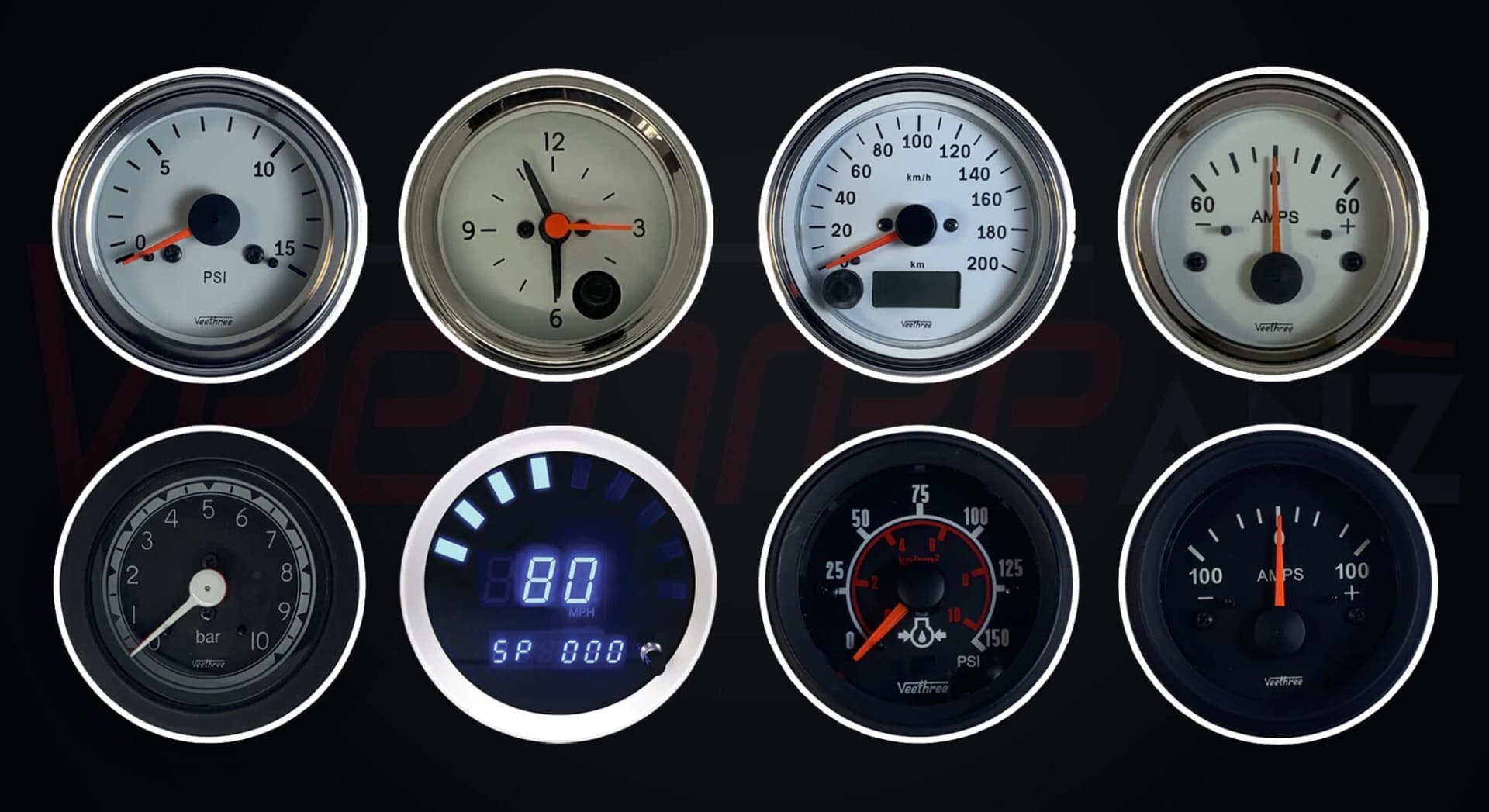
1. Mechanical GaugesMechanical gauges are classic, durable, and often used in older equipment. They rely on physical mechanisms to display readings, usually with a needle and dial. These gauges are straightforward, reliable, and don’t require an electrical power source.
- Pros: Simple, durable, and reliable in harsh environments.
- Cons: Limited features, less precise than digital gauges.
Digital gauges use sensors and microprocessors to display precise readings on an electronic screen. They offer high accuracy, easy readability, and often come with additional features like alarms and data logging.
- Pros: High accuracy, easy to read, and advanced features.
- Cons: Requires power, more expensive than mechanical gauges.
Electrical gauges combine the best of mechanical and digital technologies. They use sensors to collect data, which is then displayed on a traditional dial. These gauges are more precise than mechanical versions but still offer the classic look and feel.
- Pros: Precise, reliable, and a blend of old-school and modern tech.
- Cons: Can be complex to install, requires proper calibration.
Marine gauges are specifically designed for boats and marine environments. They are built to resist corrosion, withstand moisture, and handle vibrations commonly experienced at sea. Whether monitoring engine temperature, speed, or fuel, marine gauges are essential for safe boating.
- Pros: Built for tough environments, resistant to saltwater and humidity.
- Cons: Often more expensive due to their specialised design.
Key Factors to Consider When Choosing Replacement Gauges
Choosing the right replacement gauge isn’t just about matching size and type. Here are the main factors to keep in mind:
1. CompatibilityMake sure the gauge you choose is compatible with your equipment. Check the specifications, such as pressure range, voltage, and fitting size, to ensure a perfect match. Incompatible gauges can provide incorrect readings or fail to function altogether.
2. AccuracyAccuracy is critical, especially for gauges monitoring crucial functions like fuel levels or engine temperature. Look for gauges with high accuracy ratings to ensure you’re getting the most reliable data.
3. EnvironmentConsider the environment in which the gauge will operate. If your equipment is exposed to extreme temperatures, moisture, or heavy vibrations, choose gauges designed to withstand those conditions. Marine gauges, for example, are ideal for boats because of their resistance to harsh marine environments.
4. Ease of InstallationSome gauges are plug-and-play, while others require professional installation. Think about your comfort level with installing and calibrating gauges. If in doubt, opt for simpler gauges or seek professional help.
5. BudgetGauges come in a wide range of prices. While it might be tempting to choose the cheapest option, remember that quality matters. Investing in a reliable gauge will save you money in the long run by avoiding frequent replacements and potential equipment damage.
Tips for Installing and Maintaining Your Replacement Gauges
Once you’ve selected the right replacement gauges, proper installation and maintenance are key to ensuring they work effectively and last long. Installing a gauge might seem like a simple task but doing it correctly can make all the difference in performance and safety.
1. Read the Manual CarefullyEvery gauge is different, so take the time to read the installation instructions provided by the manufacturer. This will give you important details about wiring, calibration, and mounting that are specific to your new gauge.
2. Check Compatibility Before InstallationDouble-check that the gauge is compatible with your equipment’s specifications, such as voltage, pressure range, and connection type. Installing an incompatible gauge can lead to inaccurate readings or even damage your equipment.
3. Ensure Proper CalibrationCalibration is a crucial step that should not be overlooked. Once installed, the gauge needs to be calibrated to provide accurate readings. Some gauges come pre-calibrated, but most will require an initial setup to ensure they match your equipment’s specific needs. If you’re not comfortable with this step, consider hiring a professional.
4. Secure All ConnectionsLoose connections can cause your gauge to malfunction or give unreliable readings. Make sure that all wires, fittings, and mounts are securely in place and properly connected. Check for leaks or loose screws and tighten them as necessary.
5. Test the Gauge After InstallationBefore putting your equipment back into full operation, test the new gauge to ensure it’s working correctly. Run your equipment under controlled conditions and monitor the gauge’s readings. Look for anything unusual, such as fluctuating values or delayed responses.
Maintaining Your Replacement Gauges
Proper maintenance extends the life of your gauges and ensures they continue to function accurately. Here’s how to keep your gauges in top condition:
1. Regular CleaningDust, dirt, and moisture can affect a gauge’s performance. Clean the gauge face and connections regularly using a soft cloth. Avoid using harsh chemicals that could damage the gauge’s sensors or displays.
2. Routine Calibration ChecksGauges can drift over time, especially in harsh environments. Schedule routine calibration checks to ensure the readings remain accurate. This is especially important for digital and electrical gauges, which rely on sensors that can become less precise over time.
3. Inspect for Wear and TearRegularly inspect your gauges for signs of wear, such as cracks in the display, fading numbers, or loose fittings. Address any issues immediately to prevent the problem from worsening.
4. Protect Against Extreme ConditionsIf your equipment operates in extreme conditions, such as high humidity, temperature fluctuations, or exposure to corrosive materials, consider using protective covers for your gauges. This can help shield them from the elements and prolong their lifespan.
5. Keep Spare Parts HandyHaving spare parts, such as replacement needles, dials, or protective covers, can save you time and hassle if a small component wears out or breaks. Keep a few basic spares on hand for quick fixes.
Common Mistakes to Avoid When Replacing Gauges
Even experienced operators can make mistakes when replacing gauges. Here are some common pitfalls to be aware of:
1. Forgetting to CalibrateOne of the most common mistakes is neglecting to calibrate the gauge after installation. Even the best gauges won’t provide accurate readings if they’re not properly set up.
2. Choosing the Wrong Gauge TypeSelecting a gauge based solely on appearance or cost without considering compatibility can lead to problems. Always match the gauge’s specifications to your equipment’s needs.
3. Ignoring Environmental FactorsFailing to consider the operating environment can result in gauges that wear out quickly. Choose gauges that are designed to withstand the specific conditions of your equipment’s environment, such as saltwater exposure for marine gauges.
4. Skipping Regular MaintenanceOnce installed, it’s easy to forget about your gauges. However, skipping routine maintenance can lead to performance issues. Regularly checking, cleaning, and calibrating your gauges ensures they stay accurate and reliable.
5. Improper InstallationRushing through installation or missing a critical step can cause your gauges to malfunction. Take your time, follow the instructions, and double-check all connections to avoid mistakes.
Our Verdict
Choosing the right replacement gauges is more than just a quick fix—it’s an investment in the safety, performance, and longevity of your equipment.
By understanding the different types of gauges available, considering key factors like compatibility and durability, and following proper installation and maintenance practices, you can ensure your gauges work effectively for years to come.
Whether you’re operating heavy machinery, navigating a boat, or managing an industrial setup, the right gauges are essential tools that keep you informed and in control.
Take the time to choose wisely, install carefully, and maintain regularly, and your equipment will run smoothly and safely.
Next time you’re faced with the task of replacing a gauge, remember these tips and avoid the common pitfalls. Your equipment—and your peace of mind—will be better for it.
Safe operations and happy gauging!