Imagine a time when navigating the vast oceans relied solely on the stars, compasses, and the keen eyes of sailors. The instruments they used were mechanical marvels—brass dials, spinning needles, and glass tubes filled with mercury. These gauges, though rudimentary by today's standards, were the lifelines of maritime operations, offering real-time data on engine performance, fuel levels, and more.
Fast forward to the present day, and the maritime industry has undergone a technological renaissance. The once mechanical and Electronic Gauges have transformed into sophisticated electronic systems, offering unparalleled precision, integration, and user-friendliness. But how did this transformation unfold?
The Mechanical Era: Simplicity and Reliability
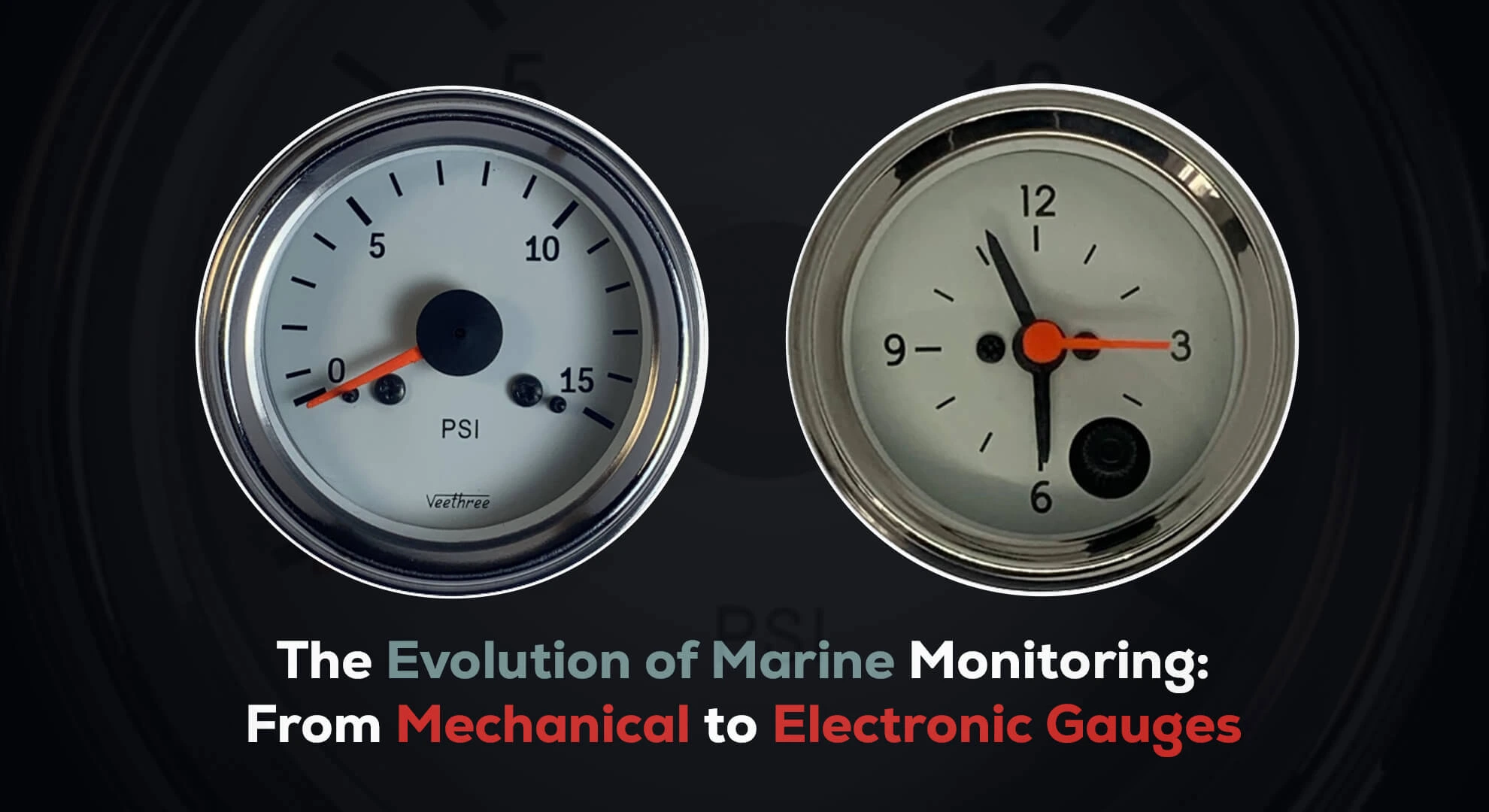
In the early days of marine navigation, mechanical gauges were the cornerstone of onboard monitoring. Instruments like tachometers, oil pressure gauges, and temperature indicators operated through direct mechanical connections—gears, springs, and capillary tubes. Their simplicity was their strength; fewer components meant fewer points of failure.
However, these mechanical systems had limitations. They were susceptible to wear and tear, especially in the harsh marine environment. Saltwater exposure, vibrations, and temperature fluctuations could affect their accuracy and longevity. Despite these challenges, they served their purpose, providing essential data to sailors and engineers.
Enter the Electronics: A New Dawn for Marine Monitoring
The mid-20th century marked a significant shift in marine technology. The advent of electronic components and digital displays revolutionized onboard instrumentation. Electronic gauges offered several advantages over their mechanical counterparts:
- Precision: Digital sensors provided more accurate readings, reducing human error and enhancing safety.
- Integration: Electronic systems could be integrated with other onboard technologies, such as GPS and autopilot systems, offering a holistic view of the vessel's performance.
- User Interface: High-resolution displays allowed for more intuitive interfaces, making it easier for operators to monitor multiple parameters simultaneously.
This transition wasn't just about replacing old instruments; it was about reimagining how data was collected, processed, and presented.
The Rise of Smart Gauges: Connectivity and Control
As technology advanced, so did the capabilities of marine monitoring systems. The introduction of smart gauges brought about features that were once the stuff of science fiction:
- Wireless Connectivity: Gauges could now transmit data to remote displays or mobile devices, allowing operators to monitor vessel performance from anywhere on board.
- Data Logging: Electronic systems could record historical data, aiding in predictive maintenance and performance analysis.
- Customization: Operators could tailor displays to show only the information they deemed necessary, reducing clutter and focusing attention on critical parameters.
These innovations not only improved operational efficiency but also enhanced safety by providing real-time alerts for potential issues.
Real-World Applications: From Fishing Boats to Luxury Yachts
The benefits of electronic gauges are evident across various sectors of the maritime industry:
- Commercial Fishing: Fishermen rely on electronic systems to monitor engine performance and fuel consumption, ensuring cost-effective operations during long voyages.
- Luxury Yachts: Owners of high-end yachts utilize advanced monitoring systems to oversee everything from water temperature to battery voltage, ensuring a smooth and enjoyable cruising experience.
- Naval Vessels: Military ships employ sophisticated electronic gauges to maintain optimal performance under demanding conditions, where precision and reliability are paramount.
These examples underscore the versatility and indispensability of electronic marine monitoring systems in today's maritime landscape.
The Hybrid Approach: Merging the Best of Both Worlds
While electronic gauges offer numerous advantages, mechanical gauges haven't been entirely phased out. Many vessels now employ a hybrid approach, combining the reliability of mechanical instruments with the advanced features of electronic systems. This dual setup provides redundancy, ensuring that if one system fails, the other can take over, thereby enhancing safety and reliability.
For instance, a yacht might have an electronic display showing engine parameters but also retain a mechanical oil pressure gauge as a backup. This approach offers the best of both worlds: the precision of electronics and the fail-safe nature of mechanical systems.
Looking Ahead: The Future of Marine Monitoring
The evolution of marine monitoring is far from over. Emerging technologies promise to further transform the industry:
- Artificial Intelligence: AI could predict potential equipment failures before they occur, allowing for proactive maintenance and reducing downtime.
- Augmented Reality: AR could overlay critical data onto the operator's field of view, providing real-time information without diverting attention from the task at hand.
- Internet of Things (IoT): IoT integration could enable seamless communication between various onboard systems, creating a fully interconnected vessel.
As these technologies mature, the future of marine monitoring looks brighter than ever, offering unprecedented levels of control, efficiency, and safety.
Final Thoughts
The journey from mechanical to electronic gauges in marine monitoring is a testament to human ingenuity and the relentless pursuit of improvement. What began as simple brass dials has evolved into complex digital systems that enhance every aspect of maritime operations. As technology continues to advance, one thing is certain: the evolution of marine monitoring will keep sailing forward, charting new courses for the industry.