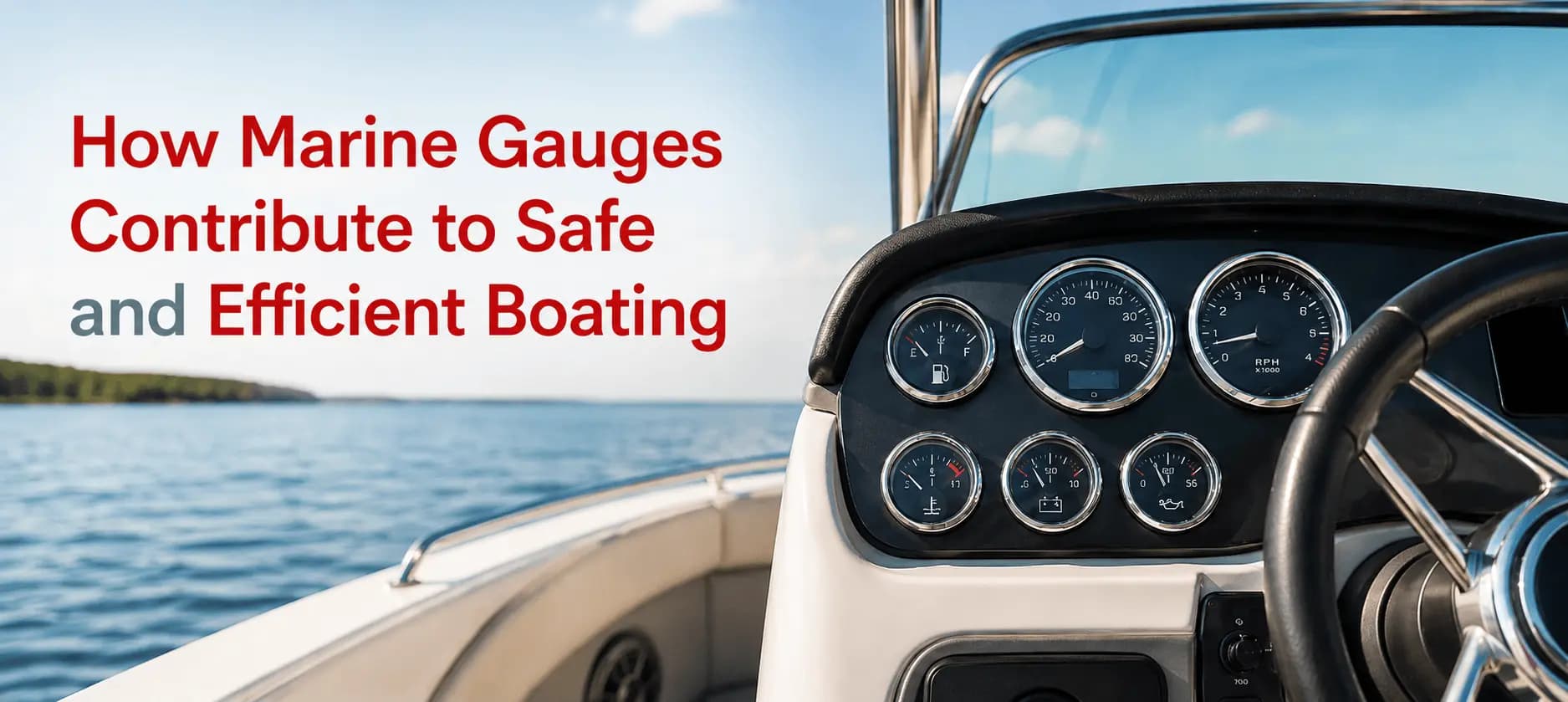
Navigating the open sea is no small task, especially for commercial vessels operating in challenging environments. Every decision made on the water depends on accurate, real-time data. That’s where marine gauges come into play.
These devices are the unsung heroes of maritime operations, providing essential insights that help keep your vessel safe and reliable. They offer a clear window into your vessel’s performance, ensuring you can address potential issues before they escalate.
Whether it’s monitoring fuel levels or engine temperature, these gauges are your trusted companions on the high seas.
So, what makes marine gauges so indispensable? Let’s break it down and look at the key players that help boost safety and reliability at sea.

The Importance of Marine Gauges
Marine gauges are your vessel’s health monitors. They provide critical data on various systems, allowing you to spot anomalies and take corrective action. Here’s why they’re essential:
- Preventive Maintenance: Gauges alert you to potential issues early, reducing the risk of breakdowns.
- Operational Efficiency: Accurate readings help optimise fuel consumption and engine performance.
- Enhanced Safety: Real-time data enables swift responses to emergencies, minimising risks.
Now, let’s explore the specific gauges that every commercial vessel needs.
Essential Marine Gauges for Safe and Reliable Operations
1. Oil Pressure Gauge: Your Engine’s Lifeline
An oil pressure gauge ensures your engine is properly lubricated. Without adequate lubrication, engine components can overheat and wear out quickly.
- Why It Matters: Low oil pressure can signal leaks or mechanical failure. Early detection helps prevent catastrophic engine damage.
- Best Practice: Monitor oil pressure regularly and ensure it stays within the manufacturer’s recommended range.
2. Fuel Gauge: Plan Your Journey with Confidence
Running out of fuel isn’t just inconvenient; it can be dangerous, especially in remote waters. A fuel gauge helps you keep track of fuel levels and plan refueling stops efficiently.
- Why It Matters: Knowing your fuel levels at all times prevents unexpected power loss and ensures smooth operations.
- Best Practice: Regularly check your fuel gauge, especially during long journeys, to avoid running low.
3. Engine Temperature Gauge: Avoid Overheating
An engine temperature gauge monitors your engine’s heat levels, helping you prevent overheating—a common cause of engine failure.
- Why It Matters: Overheating can damage engine components and lead to costly repairs or downtime.
- Best Practice: Keep an eye on temperature levels during heavy operations and act immediately if readings go beyond safe limits.
4. Electrical Gauge: Powering Essential Systems
Electrical gauges measure battery voltage and overall system health. They’re crucial for ensuring that all electrical components, from navigation to safety equipment, function correctly.
- Why It Matters: A sudden power failure can compromise critical systems like communications and lighting.
- Best Practice: Check voltage levels before setting out and periodically during the voyage to ensure consistent power supply.
5. Tachometer: Keep Your Engine in the Sweet Spot
A tachometer tracks engine RPMs, helping you maintain optimal speed and fuel efficiency. It also prevents unnecessary engine strain.
- Why It Matters: Operating at the right RPM reduces fuel consumption and prolongs engine life.
- Best Practice: Use the tachometer to find and maintain the optimal RPM range for your vessel.
How Marine Gauges Enhance Safety?
Marine gauges do more than improve performance—they’re vital for safety. Let’s look at how these instruments keep your vessel secure:
Early Detection of Issues
Gauges provide early warnings for potential problems, such as oil leaks or overheating. Addressing these issues promptly can prevent accidents and costly downtime.
Better Decision-Making
With real-time data, you can make informed decisions on speed, fuel usage, and maintenance needs. This helps avoid risks and ensures efficient operations.
Compliance with Safety Standards
Many marine regulations require vessels to have functioning gauges. Staying compliant not only enhances safety but also avoids potential fines.
Best Practices for Maintaining Marine Gauges
Having the right marine gauges is essential, but their effectiveness relies heavily on proper maintenance. Regular upkeep ensures accurate readings and extends the lifespan of these critical instruments. Here’s how you can keep your marine gauges in top condition:
1. Regular Calibration
Gauges can drift from their original calibration over time, especially in high-vibration marine environments. Regular calibration ensures your gauges provide accurate data, which is essential for both safety and performance.
- Tip: Follow the manufacturer’s calibration schedule or calibrate your gauges at least once every six months.
2. Inspect for Corrosion and Wear
Saltwater and humidity can take a toll on marine equipment. Inspect your gauges for signs of corrosion, especially around connectors and wiring.
- Tip: Use marine-grade corrosion inhibitors to protect metal components and wiring.
3. Keep Gauges Clean
A clear display is crucial for quick and accurate readings. Salt buildup or grime can obscure the gauge’s face, making it difficult to interpret data.
- Tip: Use a soft cloth and a mild cleaning solution to regularly clean the gauge’s surface. Avoid harsh chemicals that could damage the display.
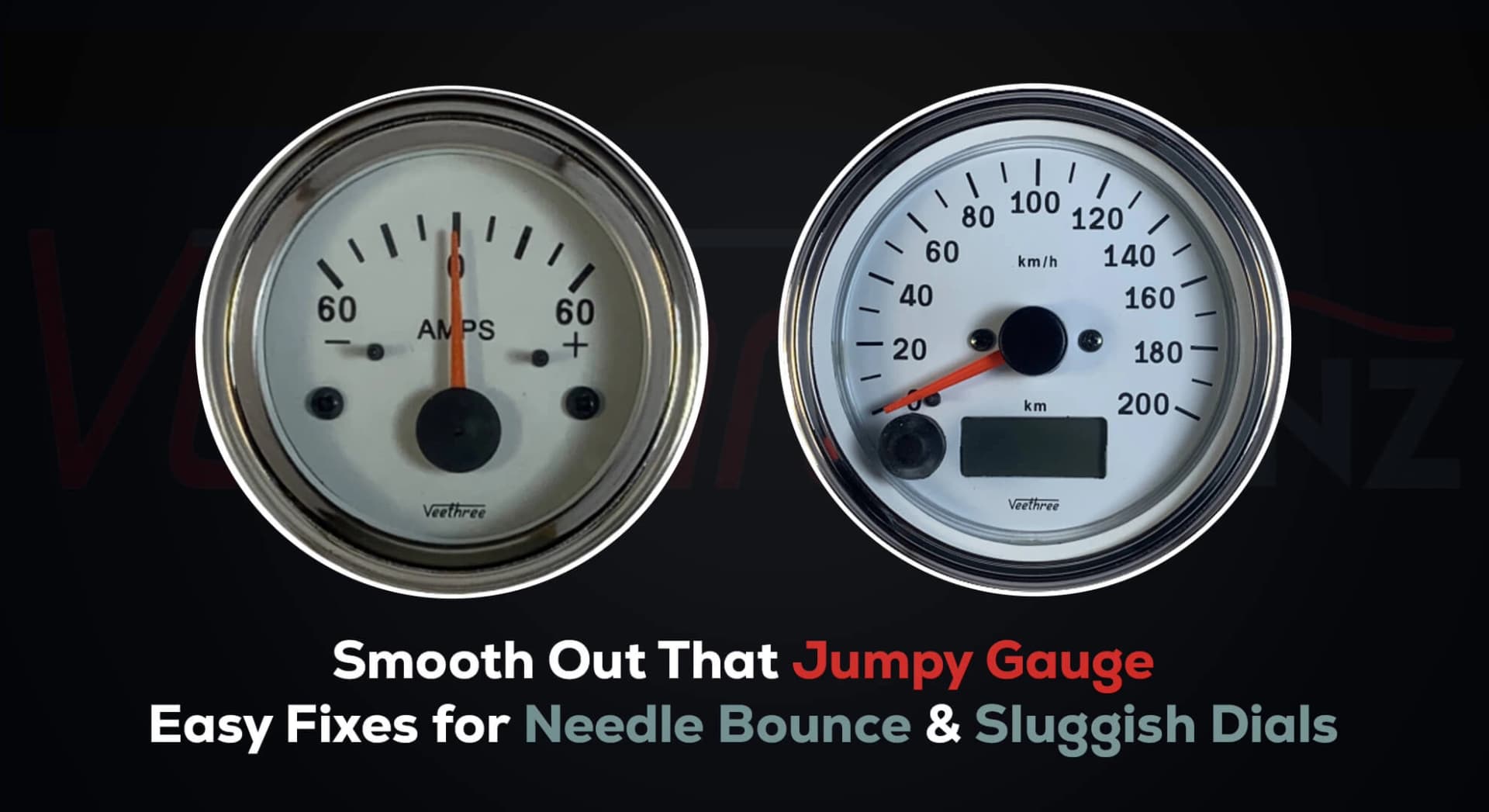
4. Monitor for Inconsistent Readings
Sudden changes or inconsistencies in readings can indicate underlying issues, either with the gauge itself or the system it’s monitoring.
- Tip: If a gauge starts showing erratic data, recalibrate it or check for potential system malfunctions.
5. Replace Faulty Gauges Promptly
A faulty gauge can lead to incorrect decisions, jeopardising safety and efficiency. If a gauge consistently shows inaccurate readings despite maintenance, it’s time to replace it.
- Tip: Invest in high-quality, marine-grade gauges designed to withstand tough conditions.
Choosing the Right Marine Gauges for Your Vessel
Selecting the right marine gauges depends on your vessel type, operating conditions, and monitoring needs. Here’s what to consider:
1. Understand Your Vessel’s Requirements
Different vessels have different needs. For example, a commercial fishing vessel may prioritise fuel efficiency and load management, while a cargo ship might focus on engine health and stability.
- Tip: Identify the key metrics that are critical for your operations, such as fuel levels, engine RPMs, or electrical system health.
2. Opt for Marine-Grade Gauges
Marine environments are harsh, with constant exposure to saltwater, humidity, and temperature fluctuations. Marine-grade gauges are built to withstand these conditions, ensuring durability and reliability.
- Tip: Look for gauges with waterproof and corrosion-resistant features.
3. Consider Digital vs. Analog Gauges
Digital gauges offer precise readings and additional features like alerts and data logging, while analogue gauges are simpler and often more durable.
- Tip: If you need high precision and ease of use, go for digital gauges. For rugged durability, analogue gauges may be the better choice.
4. Ensure Compatibility with Your Systems
Modern marine systems often integrate multiple gauges for centralised monitoring. Ensure that the gauges you choose are compatible with your vessel’s existing systems.
- Tip: Check compatibility with your onboard monitoring systems or consider upgrading to integrated digital systems for seamless operation.
5. Factor in Budget and Longevity
While marine-grade gauges may cost more upfront, they offer better performance and durability, saving you money in the long run.
- Tip: Invest in quality gauges from reputable manufacturers to avoid frequent replacements.
How Reliable Gauges Boost Confidence at Sea?
The true value of marine gauges lies in the confidence they provide. Here’s how reliable gauges make a difference:
Enhanced Awareness
Accurate, real-time data keeps you informed about your vessel’s performance, allowing you to respond to changes proactively.
Reduced Downtime
By spotting potential issues early, you can address them before they lead to costly repairs or extended downtime.
Improved Safety
Gauges that monitor critical parameters like oil pressure and engine temperature help prevent dangerous situations, keeping your crew and vessel safe.
Compliance with Regulations
Maintaining functional, accurate gauges ensures your vessel meets marine safety standards, avoiding penalties and ensuring smooth operations.
Our Verdict
Marine gauges are essential tools for any vessel, providing the critical data needed to operate safely and efficiently. From oil pressure to engine temperature and electrical systems, these instruments help you stay on top of your vessel’s performance.
By investing in high-quality gauges and maintaining them regularly, you can ensure reliability and safety on every journey. Whether you’re navigating calm coastal waters or facing the challenges of open seas, marine gauges offer peace of mind.
They empower you with the information needed to make informed decisions, optimise performance, and respond to potential issues before they become major problems.
So, equip your vessel with the right gauges, keep them in top shape, and enjoy the confidence of smooth, safe operations.