For commercial vessels, reliable performance and safety are paramount, and accurate monitoring plays a key role in achieving both.
Marine gauges provide the vital data needed to keep a vessel operating smoothly, alerting you to changes in real-time so you can make timely adjustments. In this article, we’ll cover the essential marine gauges for commercial vessels, explaining how each one contributes to your vessel’s performance and safety.
With the right gauges and a few best practices, you can maintain smooth operations and extend the lifespan of your equipment.

Fuel Gauge: Monitoring Fuel Levels for Operational Efficiency
Fuel management is critical for commercial vessels, especially on long-haul trips where fuel stops are limited. A marine fuel gauge provides real-time insight into fuel levels, allowing operators to plan routes and manage fuel consumption efficiently.
Benefits of a Fuel Gauge
The fuel gauge helps you optimise fuel consumption by monitoring how quickly you’re using fuel based on conditions, speed, and load. This allows you to adjust to a more fuel-efficient speed or direction, minimising waste and helping reduce costs on lengthy trips.
Best Practices for Using a Fuel Gauge
- Regular Calibration: To ensure the gauge’s accuracy, calibrate it periodically, especially if the vessel frequently encounters rough seas or extreme conditions.
- Monitor Fuel Consumption Patterns: A fuel gauge can also help you track trends in fuel usage. Significant changes in consumption may indicate other issues, such as engine inefficiencies or leaks.
- Check for Consistency: Inconsistencies in fuel readings can signal a faulty gauge or issues with the fuel tank. Investigate any sudden drops or spikes promptly to avoid running low unexpectedly.
Oil Pressure Gauge: Ensuring Engine Health and Longevity
The oil pressure gauge is essential for tracking the health of the engine in real-time. Low oil pressure is a sign of possible engine wear, leaks, or inadequate oil levels, all of which can lead to significant damage if left unaddressed.
Why Oil Pressure Matters?
Oil lubricates the engine’s moving parts, reducing friction and heat. Without proper oil pressure, these parts can wear down quickly, leading to costly repairs or even engine failure. Monitoring the oil pressure helps keep the engine well-lubricated and operating smoothly.
Best Practices for Using an Oil Pressure Gauge
- Watch for Pressure Drops: A sudden drop in oil pressure can indicate leaks or low oil levels. Addressing these issues early can prevent engine damage.
- Understand Normal Levels: Familiarise yourself with your vessel’s typical oil pressure range. Minor fluctuations are normal, but significant deviations should be checked immediately.
- Maintain Regular Oil Changes: Regular oil changes ensure that the gauge readings remain accurate and that the engine is adequately lubricated, extending its lifespan.
Engine Temperature Gauge: Preventing Overheating and Damage
Monitoring engine temperature is crucial, especially on commercial vessels where engines run for extended periods under heavy loads. An engine temperature gauge shows if the engine is operating within a safe range, preventing overheating and associated damage.
Importance of Temperature Monitoring
Engines naturally generate heat, but if they overheat, parts can warp, leading to expensive repairs and downtime. The temperature gauge helps operators avoid this by alerting them to rising temperatures.
Best Practices for Using an Engine Temperature Gauge
- Set Safe Limits: Many modern gauges allow you to set alert limits. Setting an upper temperature limit ensures you receive an alert before the engine reaches dangerous temperatures.
- Keep Cooling Systems in Check: The cooling system directly affects engine temperature. Regularly inspect the coolant level, hoses, and radiator to ensure the system is functioning effectively.
- Monitor for Spikes: Sudden temperature spikes may indicate problems like coolant leaks or blockages. Responding to these spikes promptly can prevent overheating.
Electrical Gauge: Monitoring Battery Health and Power Levels
Commercial vessels rely heavily on battery power for essential operations, including navigation, communication, and safety systems. An electrical gauge, which monitors battery voltage, helps ensure that all systems have enough power to operate reliably.
Benefits of an Electrical Gauge
Battery health is crucial for a vessel’s electrical systems. Monitoring voltage levels with an electrical gauge can prevent unexpected power failures, especially on long journeys where power sources are limited.
Best Practices for Using an Electrical Gauge
- Track Voltage Levels Regularly: Battery voltage tends to decrease over time. Tracking voltage can help you replace batteries before they fail, ensuring consistent power for critical systems.
- Check for Voltage Drops: A sudden drop in voltage may indicate a weak or failing battery. Replace batteries when they start showing irregular voltage levels to avoid system outages.
- Inspect Connections: Ensure all connections to the electrical gauge are secure and free of corrosion. Faulty connections can cause inaccurate readings and potential power issues.
RPM Gauge (Tachometer): Optimising Engine Load and Efficiency
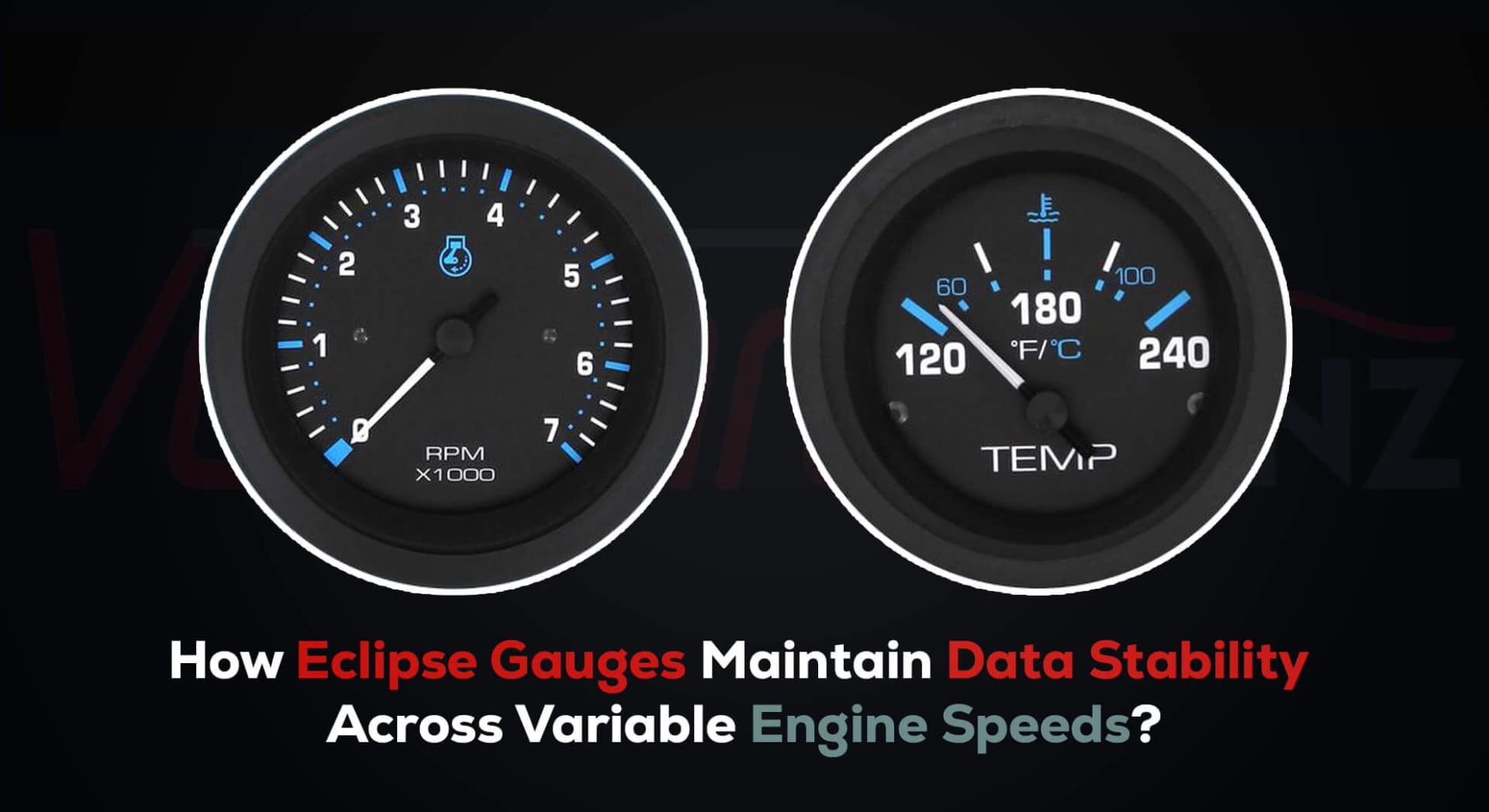
A tachometer, or RPM gauge, monitors the engine’s revolutions per minute (RPM), indicating how hard the engine is working. Monitoring RPM is especially important for fuel efficiency and ensuring the engine is operating within safe limits.
Why RPM Monitoring Matters?
Engines have an optimal RPM range where they perform most efficiently. Running above this range can cause excessive fuel consumption and engine strain, while running below may reduce performance.
Best Practices for Using an RPM Gauge
- Stay Within Optimal RPM Range: Monitor RPM levels to stay within your engine’s optimal range. This practice maximises fuel efficiency and reduces engine wear.
- Adjust Throttle Based on Load: Heavy loads or tough conditions may require RPM adjustments. Keep an eye on the RPM gauge to ensure the engine isn’t overworking.
- Track RPM Trends: Significant changes in RPM without throttle adjustments can signal engine problems, such as fuel or air intake issues. Investigate these anomalies promptly.
Best Practices for Maintaining Marine Gauges
Once you’ve selected the essential marine gauges for your commercial vessel, it’s important to keep them in optimal condition. Regular maintenance ensures that your gauges provide accurate, reliable readings, which helps you stay ahead of potential issues and keeps your vessel operating safely and efficiently.
Regular Calibration
Gauges can lose accuracy over time, especially in high-vibration marine environments. Regular calibration, ideally every six months, ensures that your gauges remain accurate. Calibration is particularly important for gauges like fuel and oil pressure, where even slight inaccuracies can lead to miscalculations in performance and fuel management.
Protect Gauges from Environmental Exposure
Saltwater and humidity can damage gauges over time, especially those with metal components. Protecting your gauges from direct exposure to water and sunlight can extend their lifespan. Use protective covers when possible and choose marine-grade gauges that are built to withstand the tough conditions typical of commercial marine environments.
Inspect and Clean Connections
Regularly check the wiring and connectors for any signs of corrosion, wear, or loose connections. Saltwater can corrode connections, which may affect gauge performance. Cleaning connectors and applying corrosion-resistant treatments can help maintain a stable connection, ensuring your gauges work accurately.
Monitor for Consistency and Accuracy
If a gauge starts showing inconsistent readings or values that don’t match typical performance, it may need recalibration or replacement. For example, if your fuel gauge suddenly shows rapid drops without any changes in fuel consumption, it may be time to check for faults in the gauge itself or in the system it monitors.
Replace Worn-Out Gauges Promptly
Gauges, like all equipment, have a lifespan. If you notice regular maintenance doesn’t resolve issues or the gauge continues to show inaccuracies, it may be time for a replacement. Investing in a new, reliable gauge is a small price to pay for the safety and performance benefits it brings.
How Reliable Marine Gauges Benefit Your Vessel?
Using reliable, well-maintained marine gauges has several benefits that contribute to the overall performance and safety of your vessel:
- Reduced Downtime and Repairs: Regular monitoring allows you to detect potential issues early, avoiding costly repairs and unplanned downtime. Gauges like oil pressure and temperature help you spot engine problems before they escalate.
- Enhanced Fuel Efficiency: With accurate fuel level and RPM gauges, you can adjust speed and throttle to reduce fuel consumption. For commercial vessels, this can result in significant cost savings over time.
- Improved Safety: Gauges that monitor critical parameters, such as engine temperature and battery voltage, help prevent situations that could lead to equipment failure or emergencies. Staying aware of these metrics allows you to respond proactively, minimising safety risks.
- Better Planning and Decision-Making: Real-time data from marine gauges gives you the confidence to make informed decisions. Knowing fuel levels, engine status, and battery health enables better route planning and helps avoid potential delays or hazards.
Our Verdict
For any commercial vessel, marine gauges are essential tools that offer insight into the health and performance of your equipment. From fuel management to engine temperature, these gauges keep you informed, helping you operate efficiently, save on fuel costs, and ensure safety on the water.
By choosing high-quality, marine-grade gauges and following best practices for maintenance, you can extend the lifespan of these vital tools and maintain optimal performance.
Investing in reliable marine gauges is an investment in peace of mind. With accurate data at your fingertips, you’re empowered to navigate with confidence, knowing that your vessel is performing at its best.
So, before your next journey, take the time to inspect, maintain, and, if necessary, upgrade your gauges—your vessel, crew, and bottom line will thank you.