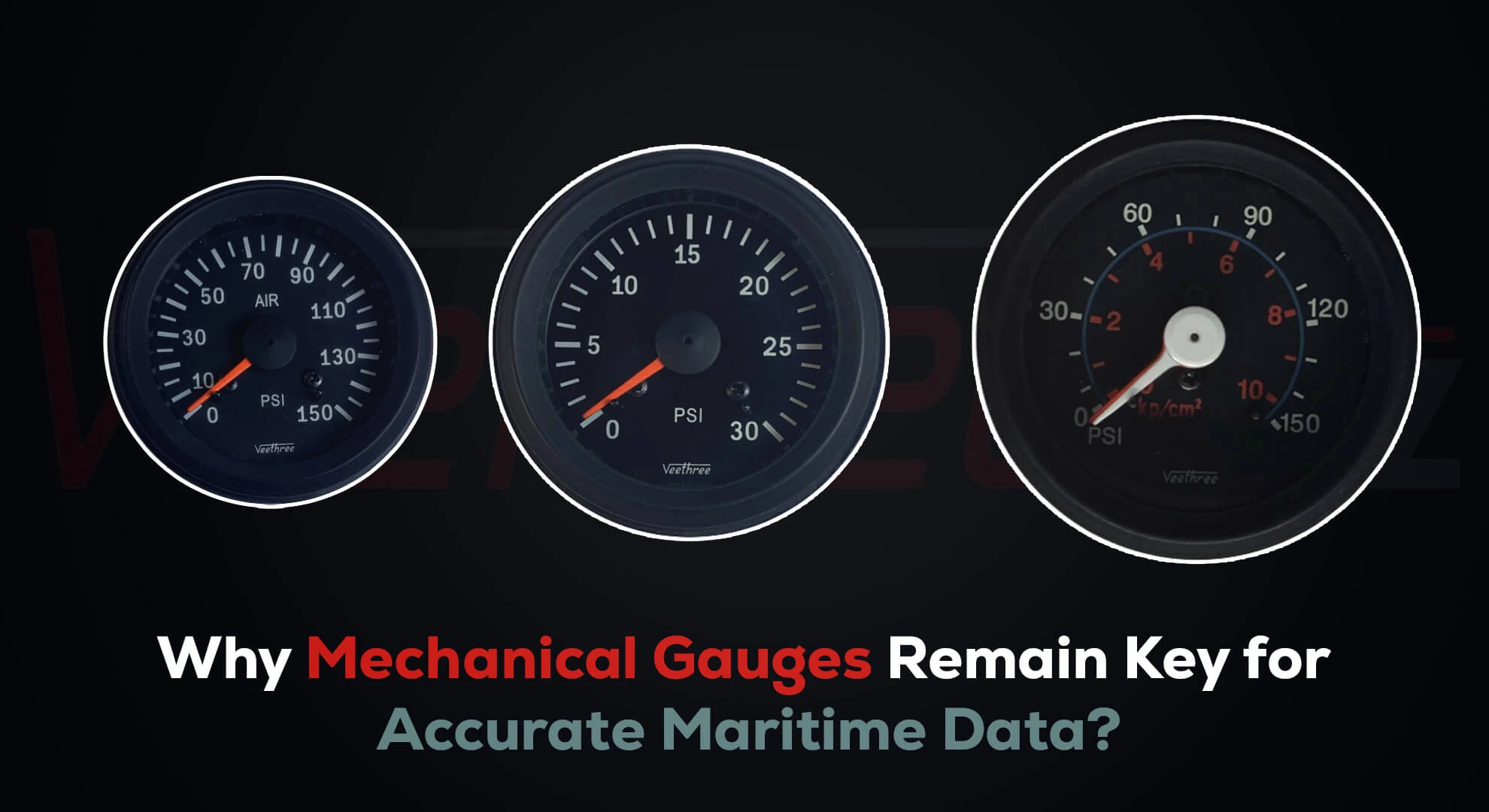
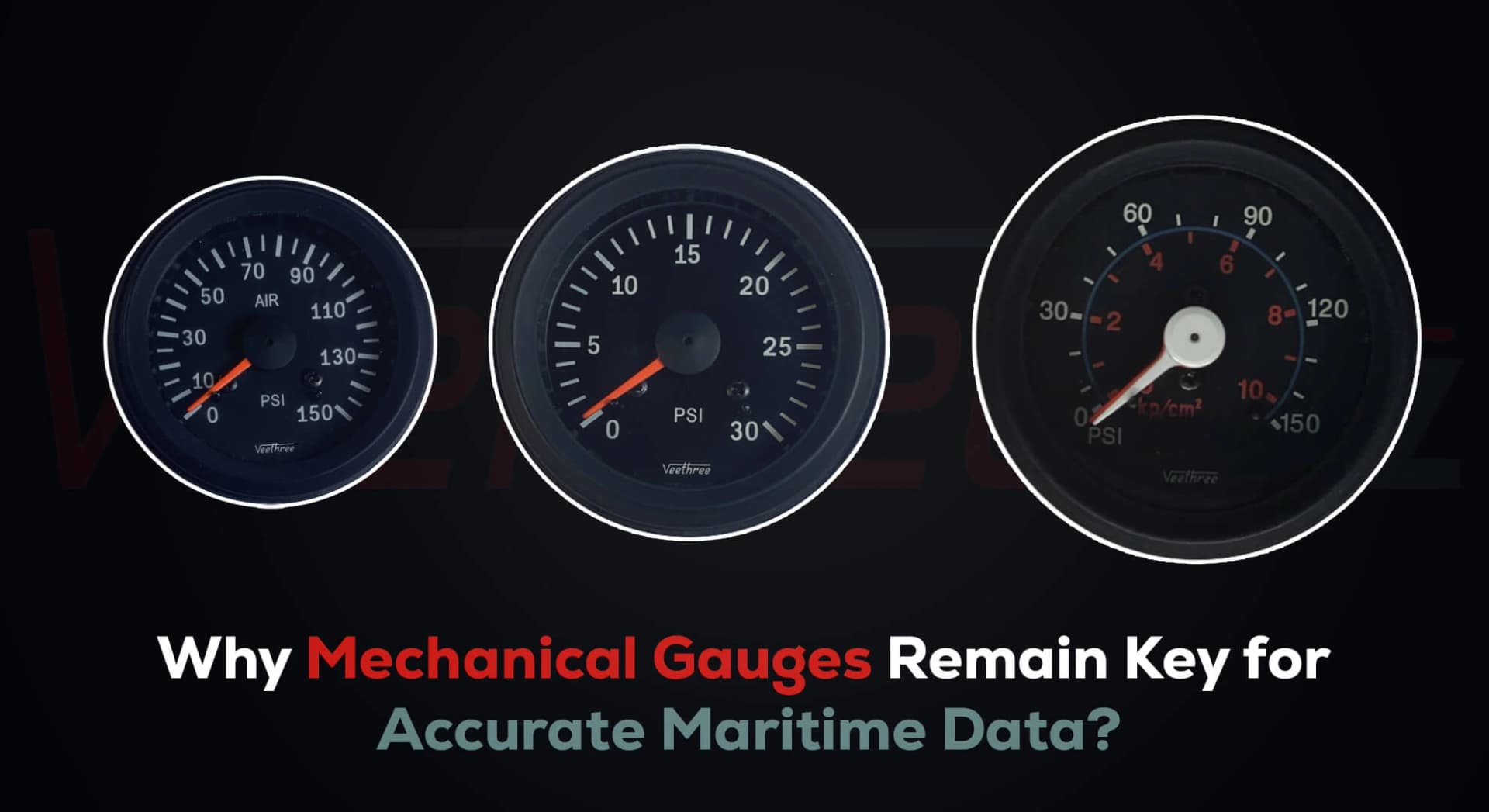
Marine operations rely on a blend of tradition and innovation. While electronic gauges have introduced new levels of precision and connectivity, mechanical gauges continue to play a vital role in delivering reliable data under challenging conditions.
In New Zealand’s diverse and often unpredictable waters, these older yet robust instruments remain indispensable for many marine professionals.
They provide steady, unambiguous readings that can stand up to harsh environments, making them a mainstay aboard vessels that demand accuracy and resilience.
In this article, we’ll delve into the reasons why mechanical gauges are still essential for accurate maritime data, exploring how they integrate with modern Marine Gauges and systems, and the ways in which they continue to hold their own against more technologically advanced counterparts.
The Enduring Appeal of Mechanical Gauges
Uncomplicated Reliability
Mechanical gauges rely on straightforward physical mechanisms to capture data like pressure, temperature, or fluid levels. Unlike electronic systems, there’s no software to crash or digital sensor to malfunction.
Why It Matters: Simple construction means fewer components that can fail. For vessels that rely on accurate data around the clock, less complexity translates to more confidence in their readings.
No Electrical Dependencies
While Electronic Gauges excel in providing sophisticated monitoring features, mechanical gauges stand out by requiring no external power source. Their operation is purely mechanical, which is a major plus during power failures or electrical malfunctions.
Key Point: This independence makes mechanical gauges an important backup, especially when operating in remote areas where spare parts or repairs might be hard to come by.
Consistent Performance in Harsh Conditions
Marine environments can be relentless. Saltwater, continuous vibrations, and temperature extremes can strain sensitive electronics. Mechanical gauges, however, are engineered for durability, often using corrosion-resistant materials and sealed housings.
Real Benefit: Their rugged design ensures they keep performing under stress, preserving the accuracy essential for safe navigation.
Where Mechanical Gauges Shine?
Fuel Level Monitoring
A mechanical fuel gauge with a direct float mechanism can be incredibly reliable, offering an unambiguous indication of fuel status.
Why It Matters: Running out of fuel unexpectedly is more than an inconvenience; it can be a major hazard at sea.
Oil Pressure and Temperature
In high-stakes scenarios where engine health is paramount, a mechanical gauge’s direct pressure reading offers reassurance that no sensor or power glitch is compromising vital data.
Why It Matters: Accurate oil pressure and temperature readings are crucial to preventing engine damage and extending operational lifespan.
Retrofits and Legacy Vessels
Mechanical gauges fit perfectly in older vessels that might not have modern electrical systems. Upgrading to a new digital interface can be expensive and time-consuming, making mechanical options more practical in some cases.
Why It Matters: Preserving the integrity of legacy systems while still maintaining accurate data can be key for certain operations or historically significant vessels.
Enhancing Overall Vessel Performance
Mechanical gauges do more than monitor individual metrics – they support the entire vessel's efficiency. By giving clear, immediate feedback on engine load, temperature, and other performance indicators, they help operators fine-tune operations for smoother navigation and better resource management.
Balancing Engine Load
Operators can check RPM and temperature to maintain an optimal load on the engine. If a mechanical gauge signals a high temperature or excessive strain, you can adjust speed or load distribution promptly.
Why It Matters: Keeping the engine within safe limits prevents overheating and extends engine life, reducing costly breakdowns.
Improving Fuel Economy
While electronic gauges might offer advanced analytics, mechanical gauges provide a straightforward snapshot of fuel usage. A consistently dropping needle can quickly show trends in consumption without relying on power or digital interfaces.
Why It Matters: Recognising unusual fuel usage early helps avoid running short unexpectedly and supports better fuel planning on long voyages.
Reducing Mechanical Stress
Some mechanical gauges can detect small changes in system pressures or temperatures, highlighting potential stress on mechanical parts. By responding early, operators prevent undue strain and reduce wear.
Why It Matters: Prolonging the life of mechanical components lowers replacement costs and keeps the vessel operational for more extended periods.
Best Practices for Maintaining Mechanical Gauges
Even though mechanical gauges are durable, they still need proper care. Here are key practices to keep them functioning reliably:
Schedule Routine Inspections
Check the gauge faces, needles, and connections for signs of wear or damage. If you notice corrosion or sticking needles, address it immediately.
Pro Tip: A simple visual inspection before each trip can catch minor issues before they escalate.
Keep Them Clean and Dry
Salt, moisture, and grime can accumulate on mechanical components. Wipe gauges gently with a soft cloth and use mild cleaners if necessary.
Why It Matters: Clean, unobstructed faces ensure accurate readings and prolong the gauge’s lifespan.
Calibrate Periodically
Over time, mechanical gauges may drift from their original calibration, especially in environments with heavy vibrations or sudden temperature changes.
Pro Tip: Consult the manufacturer’s guidelines for recommended calibration intervals or perform checks if readings seem off.
Protect Against Vibration
Excessive vibration can loosen connections or jar internal components. Ensure the mounting brackets and surrounding hardware are secure to minimise shake-related issues.
Why It Matters: Stable mounting keeps readings consistent and reduces the risk of premature wear.
Replace Worn Parts PromptlySprings, gears, and other moving parts can degrade. If a gauge isn’t responding smoothly, consider repairing or replacing it before it fails entirely.
Integrating Mechanical Gauges with Modern Systems
Many modern vessels feature advanced monitoring solutions, including Electronic Gauges. Even in this landscape, mechanical gauges have a place, complementing high-tech systems with their simplicity and resilience.
Dual-Gauge Setups
Some operators install both mechanical and electronic gauges for the same parameter. This approach offers redundancy—if the electronic system glitches, the mechanical gauge still provides critical data.
Why It Matters: In volatile weather or power outages, a manual reading from a mechanical gauge can guide decisions.
Bridging Legacy and New Technology
Mechanical gauges work especially well in older or legacy vessels that may not support full electronic retrofits. By retaining mechanical gauges, operators can avoid substantial wiring changes or expensive system overhauls.
Why It Matters: Blending tried-and-true mechanical methods with modern enhancements can create a robust, adaptable solution.
Training and Familiarity
Many marine professionals grew up using mechanical gauges. Familiarity reduces the learning curve and helps them trust the readings without needing specialised software knowledge.
Pro Tip: For teams using both mechanical and electronic gauges, provide clear protocols on which instrument to prioritise or cross-check during anomalies.
Our Verdict
Mechanical gauges continue to hold a crucial position in marine operations, offering a steadfast layer of reliability in a field increasingly dominated by Electronic Gauges. Their robust construction, independence from electrical power, and straightforward readings make them indispensable tools for professionals who need accurate data in sometimes hostile environments.
For those operating in New Zealand’s demanding waters, mechanical gauges ensure you can always rely on a steady stream of vital information—no matter the conditions or power availability. They require minimal maintenance, integrate well with modern systems, and provide the reassurance that if a high-tech tool fails, a tried-and-true mechanical gauge will still deliver essential readings.
Embracing mechanical gauges alongside modern Marine Gauges creates a dual-layer monitoring approach that reduces risk, lowers maintenance costs, and enhances operational confidence. If you’re looking to strengthen the reliability of your vessel’s monitoring systems, mechanical gauges remain a time-tested, practical choice.